Explore Africa Your Way

Adventure, Luxury, and Culture, Your journey starts here.

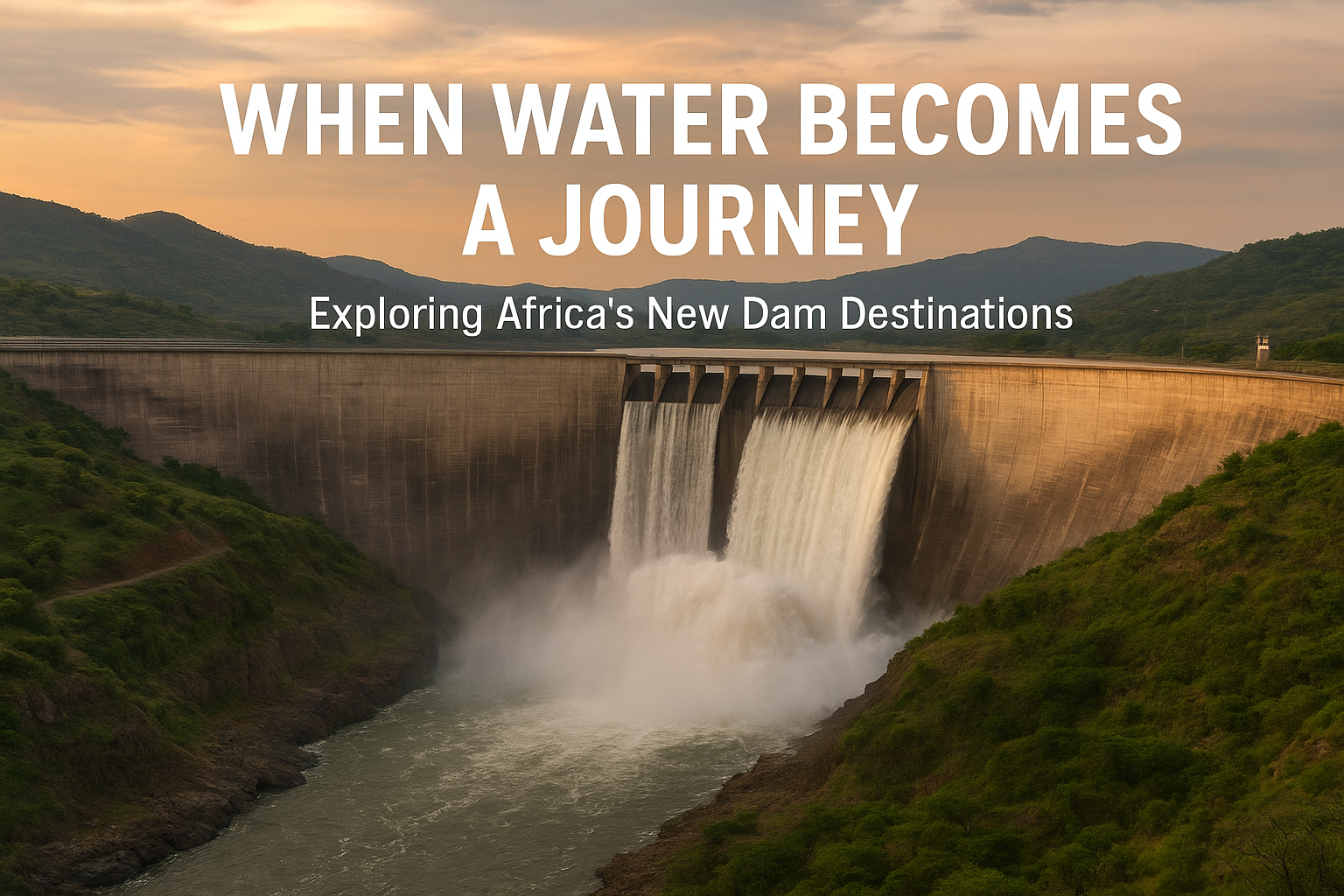
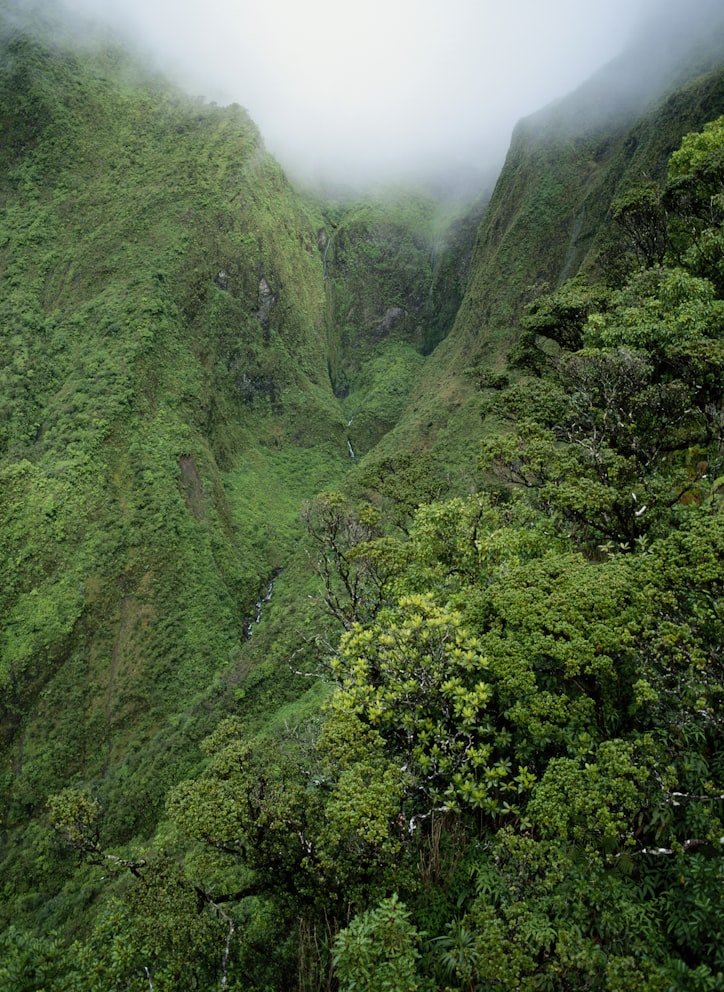
When water becomes a Journey

When water becomes a Journey

Exploring Africa's new Dam destinations.

Memories

Memories

Create memories with us.

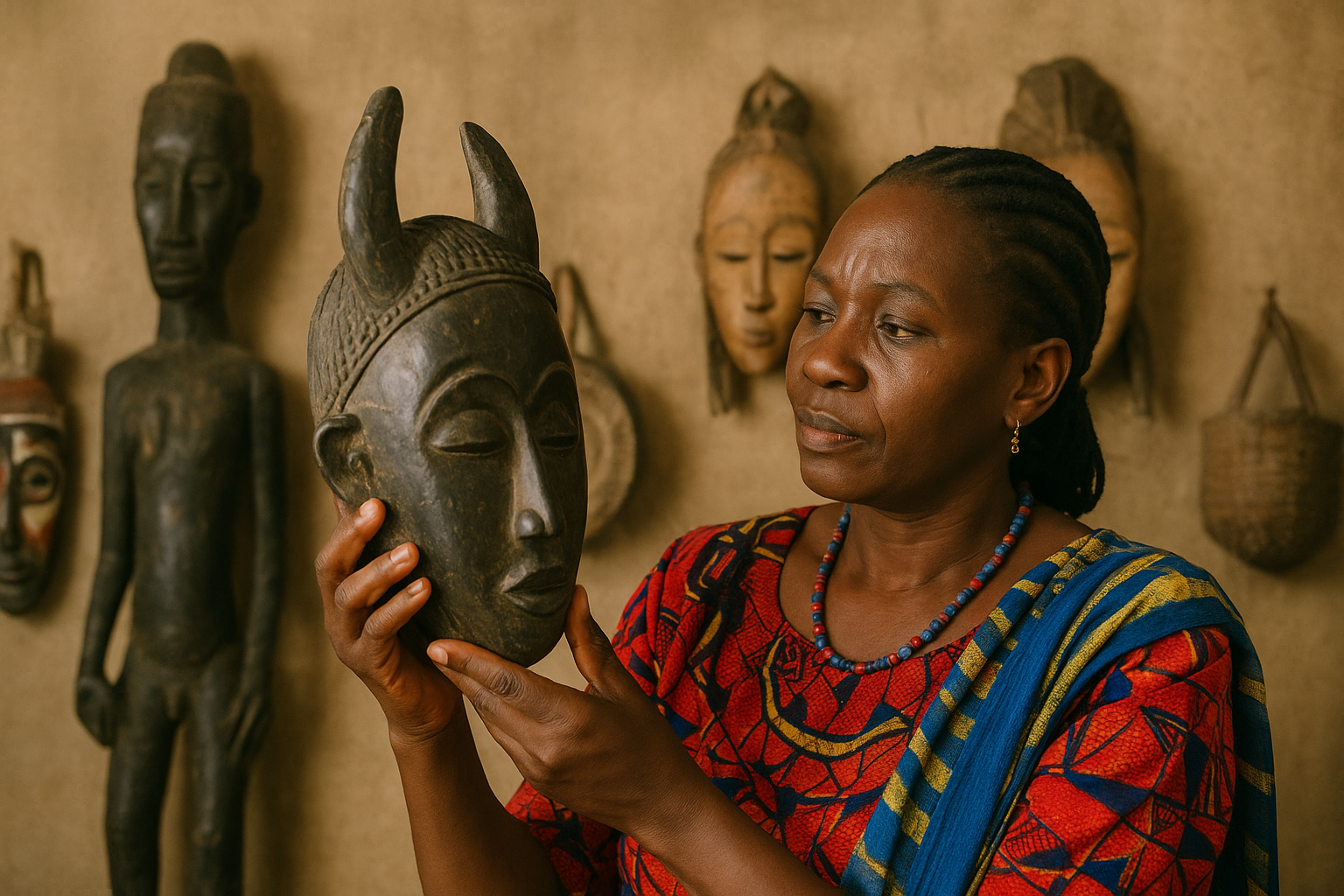
African Artisans

African Artisans

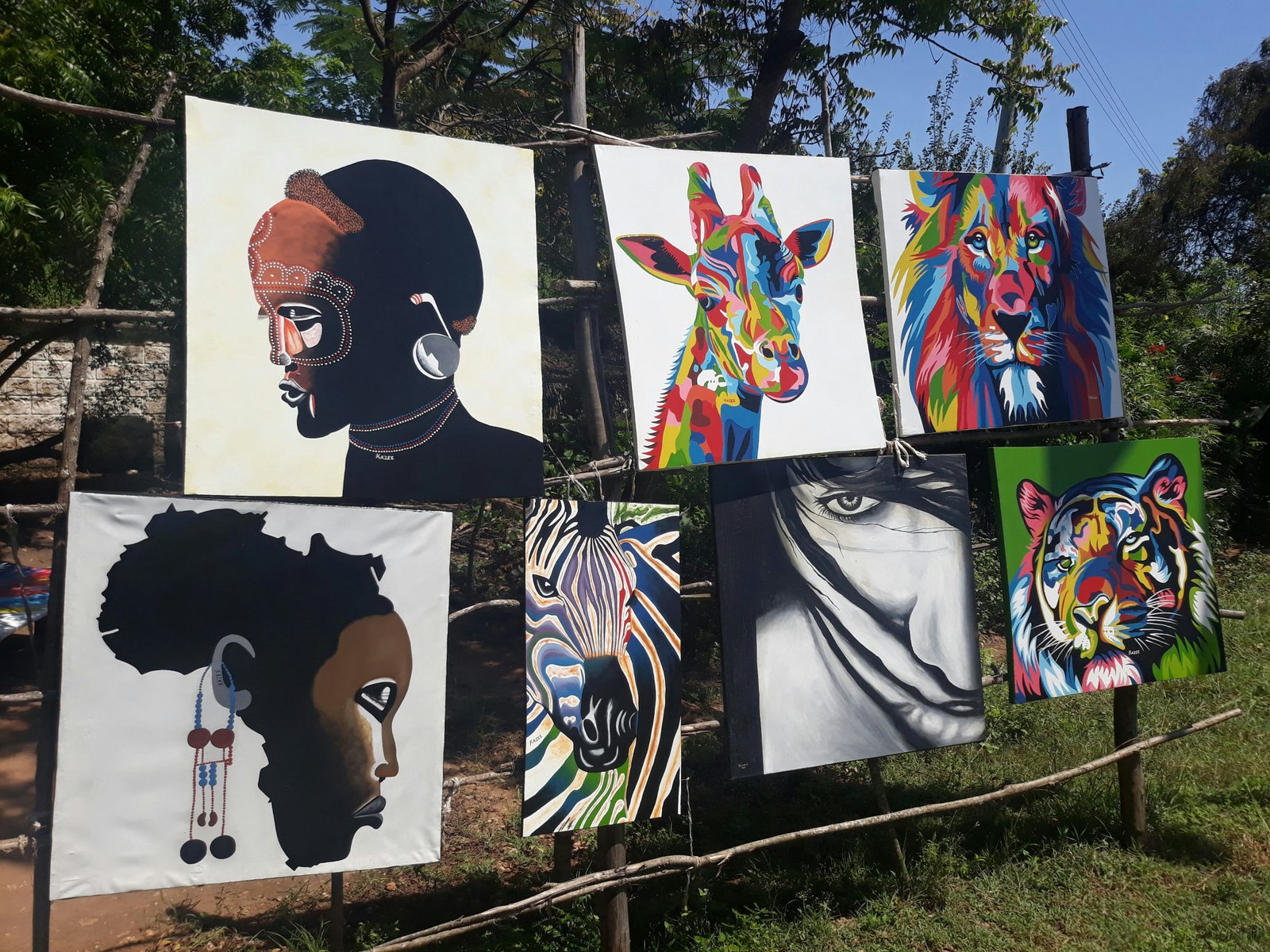
Would you like to meet the people who create this beautiful pieces of Art?

African Art

African Art

Discover the beauty behind African Art and the Artisans.

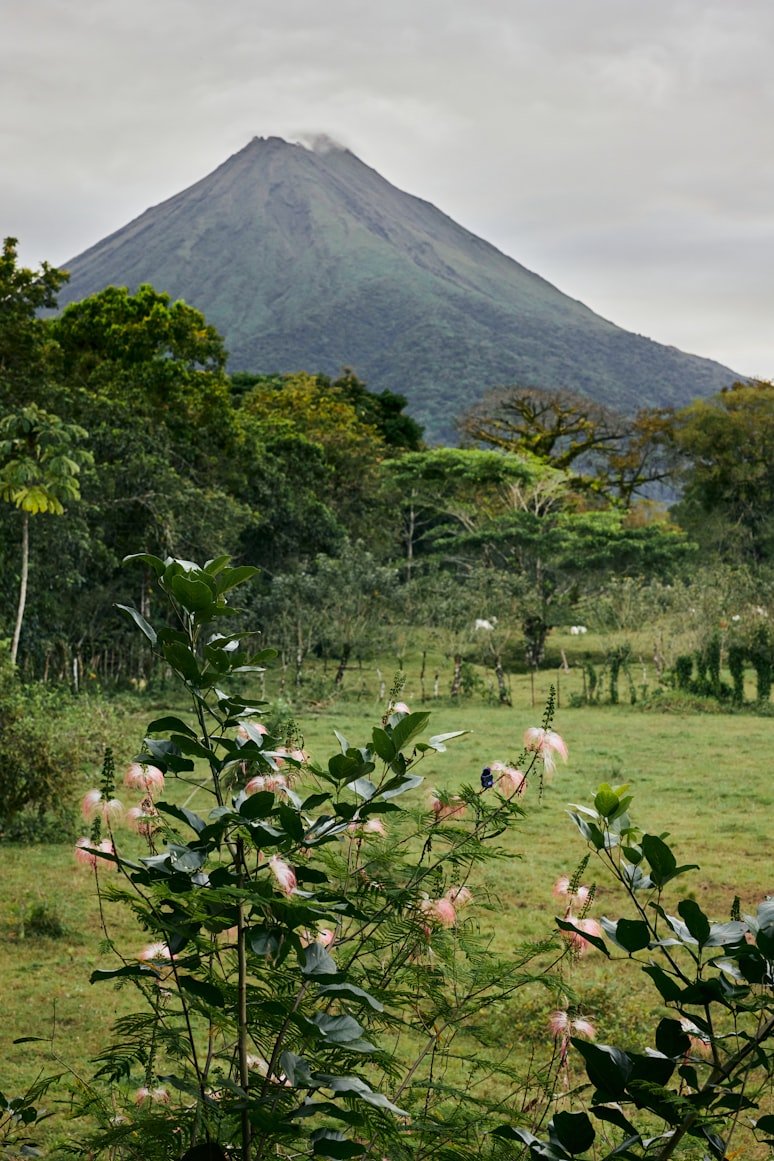
Hiking spots

Hiking spots

Great for rock climbers and regular hikers.

Mount Kenya

Mount Kenya

The Mountain at the Heart of Kenya

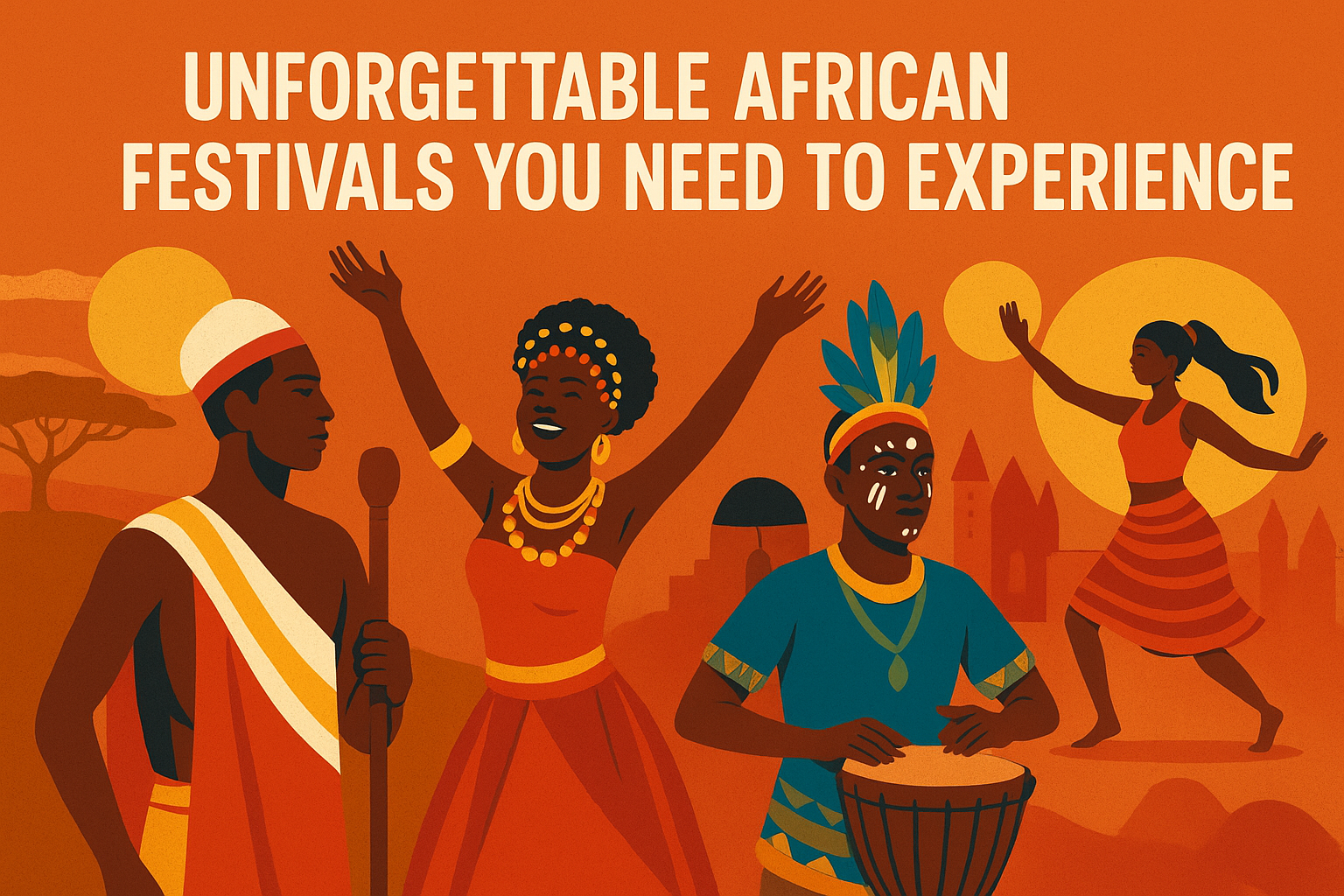
African Festivals

African Festivals

Join the locals in the singing and dancing

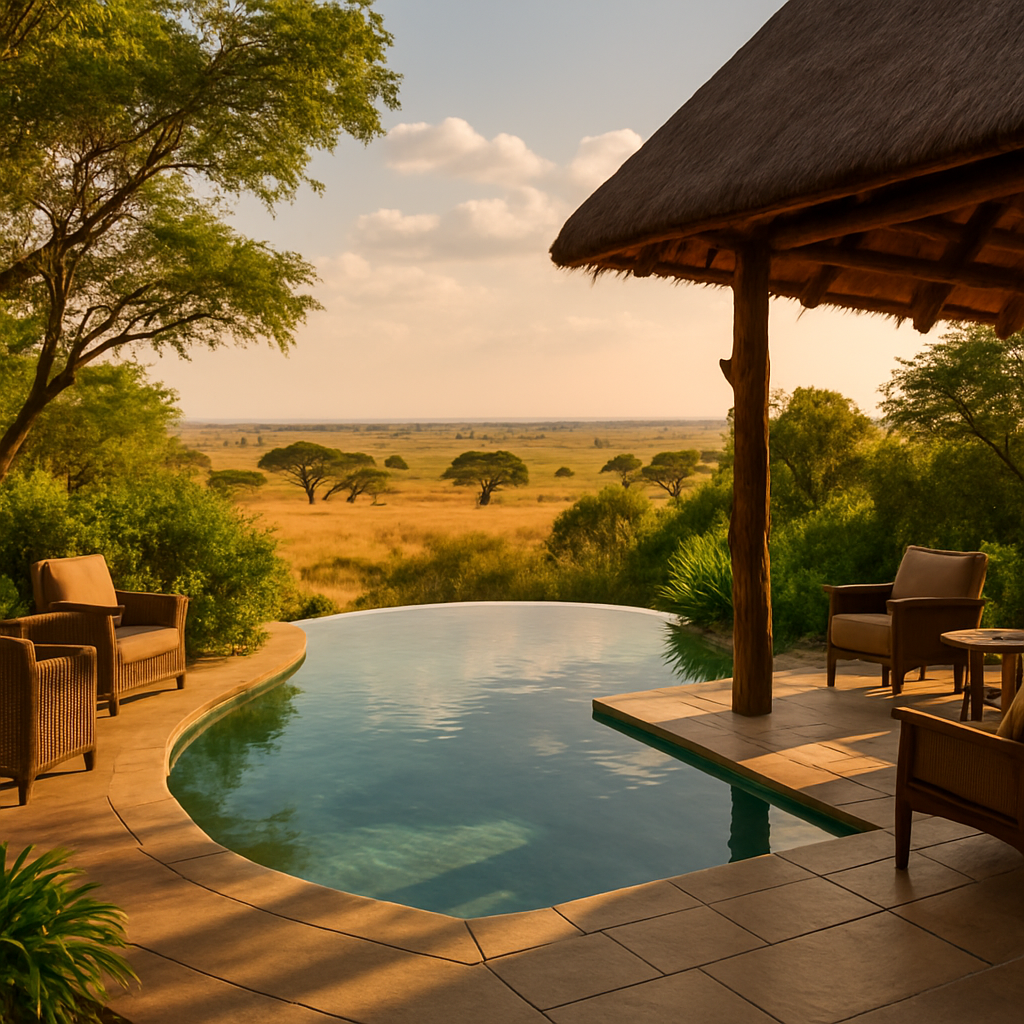
Luxurious resorts

Luxurious resorts

Explore honeymoon destinations

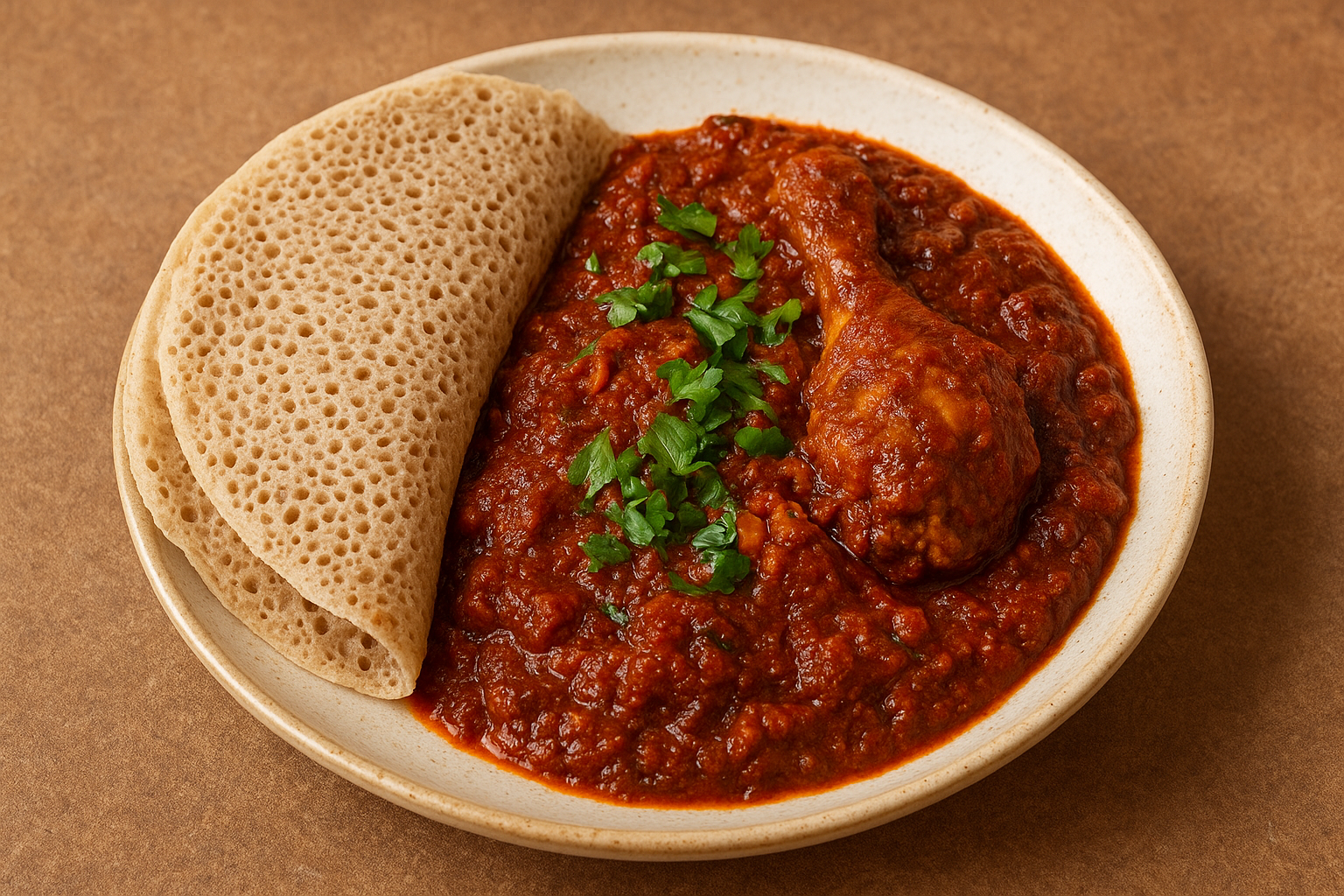
Injera Doro Wat

Injera Doro Wat

Ethiopian food

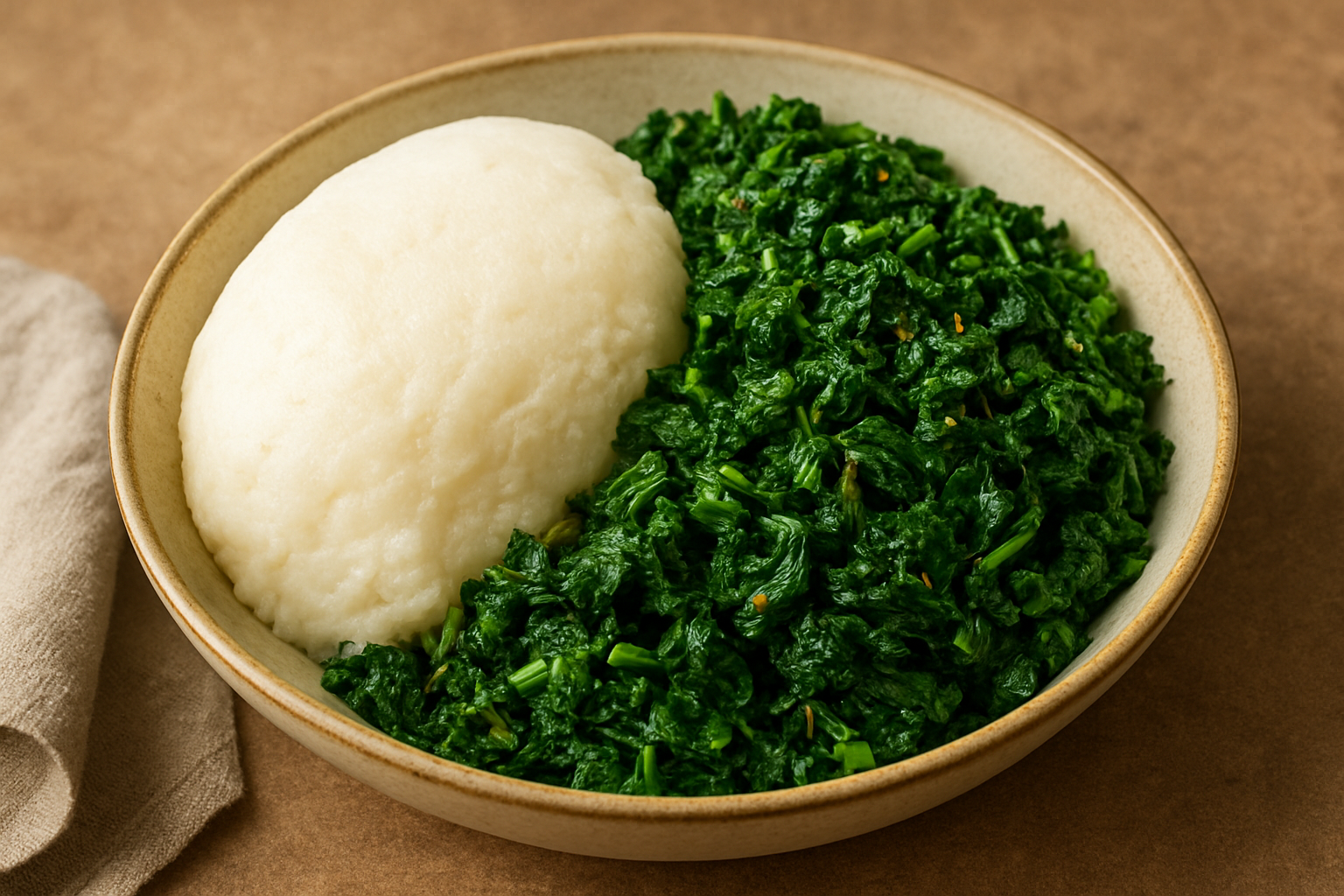
Ugali Sukuma

Ugali Sukuma

East Africa's power meal

Destinations

Where Africa Breathes: Diani

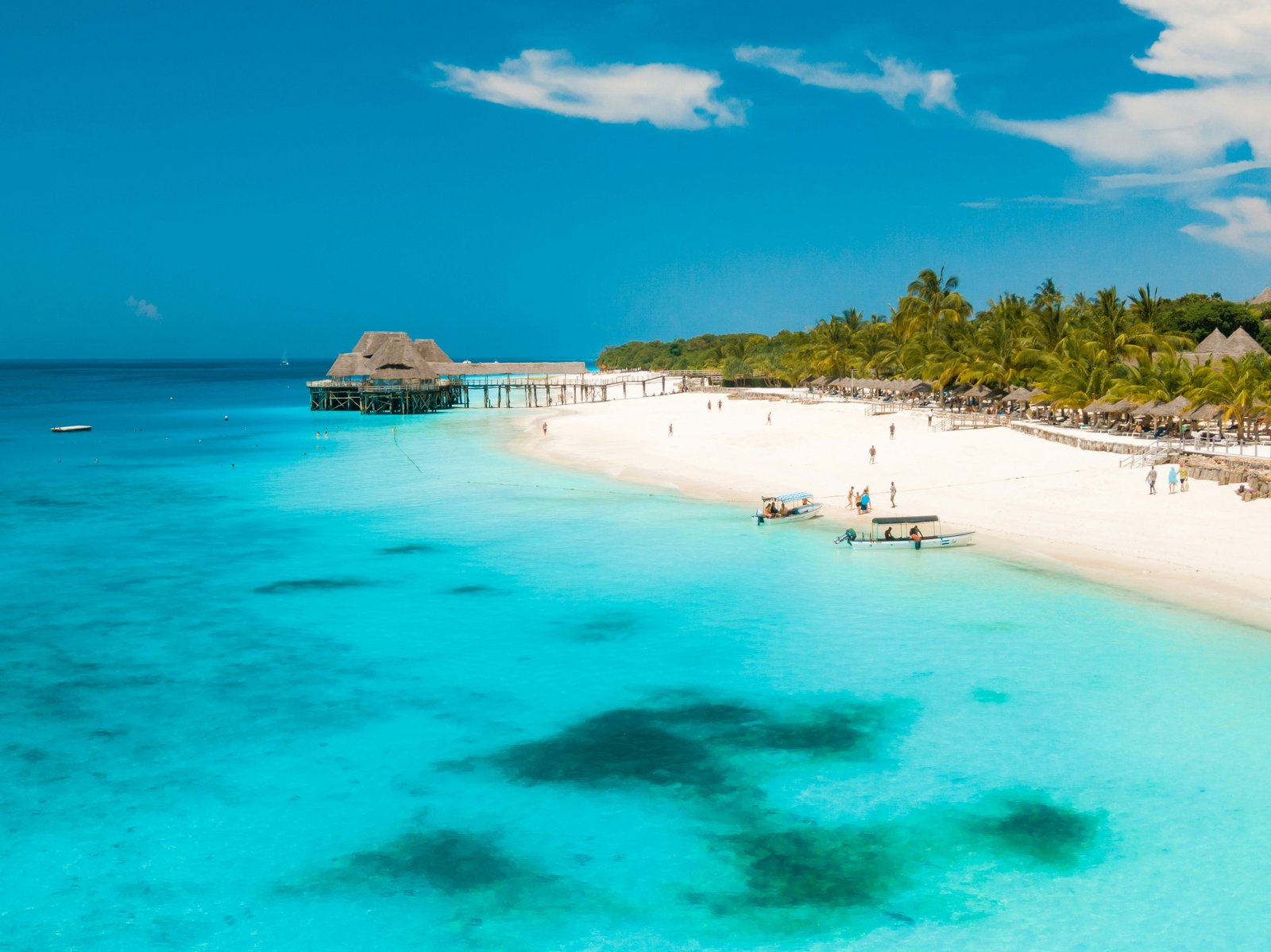
The first thing you notice is not the ocean. It’s the pause. A quiet moment between one wave and the next, where nothing is in a hurry—not the sun, not the wind, not even you. Diani welcomes you like that. Softly. As if it already knows you’ll need time to remember how to slow down. The sand is pale and forgiving. It doesn’t scorch your feet; it listens to them. Each step sinks slightly, like the ground is making room for you. The ocean stays close, breathing in long, patient rhythms. It has been here longer than worry, longer than noise. Somewhere behind you, palm trees sway—not dramatically, just enough to remind the sky they’re still alive. A fisherman walks along the shore, net resting on his shoulder like an old friend. He isn’t rushing to catch anything. He knows the sea will give when it’s ready. Here, time is not chased. It’s respected. Diani has mastered the art of restraint. It doesn’t shout its beauty. It doesn’t beg to be photographed. It simply exists. Children run along the water’s edge, laughing at nothing in particular. Their laughter feels lighter here, as if the air knows how to carry it better. Vendors pass by quietly, offering shells, bracelets, stories—never insistently. Even commerce feels polite. The ocean changes colors as the day stretches. Blue becomes turquoise. Turquoise softens into silver. The sun lowers itself carefully, as though it doesn’t want to disturb anything. When it finally disappears, the horizon glows—not brightly, but knowingly. At night, Diani becomes even more itself. The breeze cools. The waves lower their voices. Somewhere, music plays—not loud enough to interrupt the stars. You sit still without trying to be still. Your thoughts slow down on their own. And that’s when you realize something important. Diani is not a destination. It is a reminder. A reminder that rest is not laziness. That beauty doesn’t need permission. That Africa, when allowed to breathe, breathes deeply. When you leave, Diani doesn’t follow you. But it leaves something behind. A quieter mind. A softer heart. And the memory of a place that never asked you to rush.

Read More

Dreaming of Kenya: The 5 Best Places to Stay for an Unforgettable Trip

From breakfast with giraffes to sleeping under star-strewn skies, here is your guide to the most incredible accommodations in Kenya. Kenya's Top 5 Stays Conversation with Gemini Write an article for a travel website on the topic. 5 Best places to stay when you visit Kenya. Here is an article tailored for a travel website, focusing on diverse and high-quality accommodation experiences in Kenya. Title: Dreaming of Kenya: The 5 Best Places to Stay for an Unforgettable Trip Subtitle: From breakfast with giraffes to sleeping under star-strewn skies, here is your guide to the most incredible accommodations in Kenya. Kenya is the undisputed heavyweight of African travel. It is the land of the Masai Mara and the Great Migration, the backdrop for Out of Africa, and home to some of the continent’s most dazzling white-sand beaches. But planning a trip here can be overwhelming. The sheer variety of landscapes—from rugged northern frontiers and lush highlands to turquoise coastlines—means your accommodation choices are vast. The "best" place to stay in Kenya isn't just about thread count; it’s about the immersion, the unique location, and the connection to the environment. Whether you are seeking the ultimate luxury safari, a barefoot beach escape, or a quirky urban adventure, here are the five best places to stay when visiting Kenya. 1. The Iconic Bucket-Lister: Giraffe Manor (Nairobi) If you’ve seen one picture of a hotel in Kenya on Instagram, it’s likely this one. Located in the leafy Karen suburb of Nairobi, Giraffe Manor is an exclusive boutique hotel set in 12 acres of private land within 140 acres of indigenous forest. The Vibe: 1930s grandeur meets wildlife wonder. The manor itself is a stately, ivy-covered building dating back to the colonial era, offering an elegant, old-world charm. Why It’s The Best: It’s the only place in the world where you can sip your morning coffee while a resident herd of Rothschild’s giraffes poke their long necks through the breakfast room windows looking for a treat. It is surreal, magical, and deeply photogenic. Beyond breakfast, it’s a sanctuary that works closely with the Giraffe Centre to protect this endangered subspecies. Ideal For: Honeymooners, families wanting a magical start to their trip, and anyone seeking that once-in-a-lifetime photo opportunity. Note: You must book very far in advance (often a year or more) for a room in the main manor. 2. The Ultimate Safari View: Angama Mara (Masai Mara) The name "Angama" is inspired by the Swahili word for "suspended in mid-air," and there is no better description for this lodge. Perched high on the rim of the Great Rift Valley escarpment, Angama Mara overlooks the vast expanse of the Masai Mara National Reserve below. The Vibe: Modern architectural brilliance. Forget traditional dark canvas tents; Angama features glass-fronted suites offering uninterrupted, cinematic views of the savannah. It feels sleek, bright, and incredibly luxurious. Why It’s The Best: The location is legendary; it’s situated right where some of the most famous scenes from Out of Africa were filmed. The game viewing in the "Mara Triangle" below is spectacular year-round, and especially during the Great Migration (July-October). Angama offers a private airfield, exceptional culinary experiences, and a highly personalized safari approach. Ideal For: Luxury travelers, design lovers, and those who want the best seat in the house for the greatest wildlife show on earth. 3. The "Barefoot Luxury" Beach Escape: Kinondo Kwetu (South Coast) After the dust of a safari, the Kenyan coast is essential. While Diani Beach is famous, travel a little further south to Galu Beach to find Kinondo Kwetu, a Swedish-owned boutique resort that feels less like a hotel and more like a very stylish friend's private estate. The Vibe: Laid-back, bohemian elegance. There are no massive buffets or wristbands here. It’s quiet, intimate, and deeply relaxing, nestled between the Indian Ocean and sacred coastal forests. Why It’s The Best: Kinondo Kwetu strikes a perfect balance between total relaxation and activity. You can lounge by the two pools or on the pristine beach, but they also offer incredible activities: horse riding on the beach at sunrise, yoga platforms with ocean views, and excellent diving and snorkeling nearby. It offers privacy that the larger resorts up the beach cannot match. Ideal For: Couples seeking romance, families who hate "kids clubs" but want activities, and travelers looking to decompress in style. 4. The Adventure Under the Stars: Loisaba Star Beds (Laikipia) Laikipia, located on the high plains north of Mount Kenya, offers a wilder, more private safari experience than the crowded Mara. Loisaba Conservancy is pioneering a unique way to experience the African night. The Vibe: Rustic adventure with high comfort. You aren't just sleeping near nature; you are sleeping in it. Why It’s The Best: The "Star Beds" are handcrafted four-poster wooden beds designed on raised platforms that sit partially covered by a thatched roof. At night, the beds are rolled out onto the open deck. You sleep protected by a mosquito net, with nothing between you and the immense, star-filled African sky. Waking up to the sunrise lighting up the valley below while still tucked under your duvet is unforgettable. Ideal For: Adventurous couples, stargazers, and travelers who have already done a traditional safari and want something different. 5. The Cultural Conservationist: Sarara Camp (Mathews Range) For travelers who want their stay to have a profound positive impact, Sarara in Northern Kenya is unparalleled. Located within the Namunyak Wildlife Conservancy, this area belongs to the Samburu community. The Vibe: Rugged, remote, and deeply authentic. The landscape here is dramatic—ancient cycad forests, dry riverbeds, and striking mountains. The camp is luxurious but blends seamlessly into the harsh environment. Why It’s The Best: Sarara is community-owned, meaning your stay directly supports the local Samburu people and their incredible conservation efforts. You won't just see elephants here; you can visit the nearby Reteti Elephant Sanctuary, Africa’s first community-owned elephant orphanage. You can also witness the "singing wells," where Samburu warriors sing to their cattle as they bring them to water—a centuries-old tradition rarely seen by outsiders. Ideal For: Ethical travelers, culture seekers, and those looking to get far off the beaten tourist track.

Read More

Chasing Starry Nights: Africa’s Best Stargazing Destinations

When was the last time you looked up at the night sky and felt small, yet deeply connected to the universe? 🌌 In today’s fast-paced world, travelers are seeking more than just sandy beaches and city lights — they’re chasing starry nights. Across Africa, astro-tourism is on the rise, with adventurers traveling to remote locations where the skies remain unspoiled by urban glow. Why Starry Nights Matter Stargazing isn’t just about spotting constellations. It’s about rediscovering silence, awe, and perspective. Research shows that dark-sky tourism improves well-being and inspires cultural curiosity. Organizations like the International Dark-Sky Association are even working globally to preserve these natural nightscapes. Top Stargazing Destinations in Africa 1. Namib Desert, Namibia One of the clearest skies in the world, the Namib Desert offers surreal stargazing opportunities. Many visitors camp near Sossusvlei where the Milky Way stretches across the horizon like a glowing river. Namibia is recognized as a prime astrotourism destination for a reason. 2. Mount Kilimanjaro, Tanzania Scaling Africa’s tallest peak isn’t only about sunrise views — it’s also about what happens before dawn. At higher altitudes, travelers experience crystal-clear skies where shooting stars are common. It’s a stargazer’s dream combined with adventure. 3. Sahara Desert, Morocco & Egypt The Sahara isn’t only endless dunes; it’s also a massive natural observatory. Local guides often include stargazing nights in desert tours, where travelers learn how ancient caravans once navigated by the stars. 4. Rural Kenya Away from Nairobi’s lights, rural Kenya offers remarkable stargazing spots. Areas around Lake Turkana and Loita Hills are perfect for travelers wanting both culture and cosmic views. Astronomy enthusiasts often pair this with wildlife safaris — a magical combination. Cultural Connections For centuries, African communities have looked to the skies for guidance. From the Dogon of Mali, known for their deep astronomical traditions, to the Kikuyu of Kenya, who used the moon and stars for farming cycles, the night sky has always been a cultural compass. Tips for Travelers Visit during new moon phases for the darkest skies. Carry a telescope or binoculars if possible. Choose eco-friendly camps and lodges that support dark-sky conservation. The Future of Astro-Tourism in Africa With travelers increasingly searching for unique experiences, starry nights are becoming one of Africa’s most sought-after journeys. Whether you’re a casual observer or an astrophotographer chasing the Milky Way, the continent’s vast skies hold something special. 👉 Ready to explore? Start your journey under Africa’s brightest skies — because sometimes, the best adventures begin when the sun goes down.

Read More

When Water Becomes a Journey: Exploring Africa’s New Dam Destinations

‎Travel in Africa has always been associated with wildlife safaris, ancient ruins, and vibrant cultures. But a new chapter is emerging, one that blends engineering, culture, and eco-tourism. Across the continent, hydroelectric dams are not only powering cities but also opening new opportunities for tourism in Africa. ‎ ‎From Ethiopia’s Grand Ethiopian Renaissance Dam (GERD) to Kenya’s Thwake Multipurpose Dam, and Uganda’s Karuma and Isimba dams, these massive projects are becoming unique tourist attractions in Africa. For travelers who want to witness both history and progress, visiting these sites is a journey into the continent’s future. ‎ ‎Ethiopia’s Grand Ethiopian Renaissance Dam: Tourism at Africa’s Largest Hydroelectric Project ‎ ‎The Grand Ethiopian Renaissance Dam is the largest hydroelectric project in Africa, located on the Blue Nile. Inaugurated in 2025, GERD has already become a symbol of national pride. Generating over 5,000 megawatts of power, it is expected to transform energy supply in the Horn of Africa. ‎ ‎For visitors, GERD tourism is about more than engineering: ‎ ‎History and culture: The Nile has shaped civilizations for millennia, and GERD is now part of that ongoing story. ‎ ‎Engineering marvel: Stretching nearly 1.8 kilometers, it’s a structure that rivals the largest dams worldwide. ‎ ‎Eco-tourism potential: The vast reservoir is expected to attract boating, bird-watching, and adventure activities. ‎ ‎Travelers exploring Ethiopia can combine a GERD visit with trips to Lalibela, Bahir Dar, and Lake Tana, creating a cultural and natural itinerary that blends ancient heritage with modern innovation. ‎ ‎ ‎Kenya’s Thwake Multipurpose Dam: A New Tourist Attraction Near Nairobi ‎ ‎In Kenya, the Thwake Multipurpose Dam is nearing completion between Makueni and Kitui counties. Designed for water supply, irrigation, power generation, and flood control, Thwake is also being prepared as a tourist attraction in Kenya. ‎ ‎Key highlights for travelers: ‎ ‎Accessibility: A road across the embankment will provide panoramic views of the reservoir. ‎ ‎Community tourism: Visitors can explore nearby towns, sample Kamba cuisine, and experience traditional crafts. ‎ ‎Eco-tourism: The reservoir will become a habitat for birds and aquatic life, making it attractive to nature lovers. ‎ ‎ ‎For domestic tourism in Kenya, Thwake could soon become a weekend getaway from Nairobi, offering an alternative to the Rift Valley lakes. ‎ ‎ ‎ ‎Uganda’s Karuma and Isimba Dams: Where the Nile Meets Tourism ‎ ‎Uganda has recognized the potential of dams as tourist sites. The Karuma Hydroelectric Power Station and Isimba Dam, both located on the River Nile, are being promoted as tourist attractions in Uganda. ‎ ‎Scenic backdrops: The Nile’s powerful flow beneath these dams creates dramatic views. ‎ ‎Safari add-ons: Karuma is located near Murchison Falls National Park, allowing visitors to combine wildlife safaris with dam tours. ‎ ‎Adventure tourism: With Jinja already famous for white-water rafting and kayaking, dam tourism adds a new dimension to Nile adventures. ‎ ‎ ‎These sites highlight how hydropower in Africa can be both functional and cultural, connecting travelers to stories of progress. ‎ ‎ ‎Why Dams Are Becoming Tourist Attractions in Africa ‎ ‎Dams are not just about power—they are becoming part of Africa’s tourism landscape. ‎ ‎1. Engineering Marvels to Visit in Africa ‎Travelers are increasingly drawn to large-scale human achievements. Like the Pyramids or Great Wall, dams showcase human ingenuity. ‎ ‎ ‎2. Community Impact of Dams ‎Every dam reshapes communities—bringing jobs, electricity, and sometimes resettlement challenges. Engaging with local guides and residents makes a dam visit more meaningful. ‎ ‎ ‎3. Eco-tourism Africa ‎Reservoirs create new ecosystems, attracting birds and offering opportunities for fishing, boating, and photography. ‎ ‎ ‎4. Travel Beyond the Ordinary ‎While safaris and cultural tours remain top attractions, dams provide an off-beat, educational, and future-oriented travel experience. ‎ ‎Travel Guide: How to Visit Africa’s New Dam Attractions ‎ ‎Check access requirements: Some dams, like GERD, may have restricted zones. Look for official visitor centers or guided tours. ‎ ‎Hire local guides: They provide stories that connect engineering with daily life. ‎ ‎Combine experiences: Pair dam visits with nearby cultural and natural attractions. ‎ ‎Plan eco-friendly travel: Respect local communities and ecosystems when exploring new tourist destinations. ‎ ‎Future of Dam Tourism in Africa ‎ ‎Across the continent, other projects like Tanzania’s Julius Nyerere Hydropower Project and Sudan’s Merowe Dam are also poised to attract international attention. As infrastructure improves, reservoir tours, eco-lodges, and cultural festivals around these dams could become significant draws for travelers. ‎ ‎This shift signals something important: Africa’s future travel experiences will not only celebrate its past but also its innovations. Tourism in Africa is expanding beyond traditional safaris to embrace sites that reflect progress, resilience, and ambition. ‎ ‎ ‎Conclusion: A New Lens on African Travel ‎ ‎For centuries, travelers came to Africa seeking nature, heritage, and culture. Today, they are also discovering places where the continent is building its future. Visiting a dam is not only about seeing water and concrete—it’s about engaging with the stories of people, power, and possibility. ‎ ‎Whether standing at the foot of Ethiopia’s GERD, driving across Kenya’s Thwake Dam, or watching the Nile surge past Uganda’s Karuma, travelers are part of a moment where history is being made. ‎ ‎In this new chapter of Africa travel, dams remind us that tourism is not just about the old—it is also about the new.

Read More

🚢 Nile River Luxury Cruises: A Timeless Journey Through Egypt

The Nile River, often called the lifeblood of Egypt, has nurtured civilizations for over 5,000 years. Today, travelers can experience this timeless waterway in ultimate style through luxury Nile cruises. Blending ancient history with modern comfort, these voyages provide an unforgettable perspective on Egypt’s temples, landscapes, and cultural treasures. The Experience A Nile luxury cruise is more than a journey – it is a floating five-star hotel experience. Guests can relax on open decks overlooking golden desert landscapes, enjoy fine dining inspired by Egyptian and international cuisine, and wake up to views of timeless temples rising from the riverbanks. Each stop along the journey offers guided tours by expert Egyptologists, ensuring travelers experience the stories behind the monuments. Highlights of a Nile Luxury Cruise 1. Luxor & Karnak Temples – Walk through the grand pillars and sacred halls that once honored Egypt’s gods. 2. Valley of the Kings – Visit the tombs of pharaohs, including the world-famous tomb of Tutankhamun. 3. Temple of Hatshepsut – A marvel dedicated to one of Egypt’s most powerful female rulers. 4. Edfu & Kom Ombo – Twin temples showcasing Egypt’s religious traditions and architectural mastery. 5. Aswan & Philae Temple – The serene beauty of Aswan is highlighted by the stunning island temple of Isis. Luxury Onboard Amenities Spacious Suites with panoramic windows or private balconies. Fine Dining featuring international chefs and traditional Egyptian delicacies. Spa & Wellness treatments overlooking the Nile’s peaceful waters. Evening Entertainment including traditional music, dance, and folklore shows. Why Choose a Nile Cruise? Unlike land tours, a Nile luxury cruise allows travelers to explore multiple destinations effortlessly while enjoying world-class comfort. The river’s calm pace creates a sense of serenity, making it perfect for honeymooners, history lovers, and travelers seeking a unique blend of relaxation and discovery. Practical Information Best Time to Cruise: October to April (cooler months, perfect for sightseeing). Duration: Common itineraries run for 3, 4, or 7 nights. Starting Points: Cruises typically run between Luxor and Aswan. Travel Tip: Book early to secure suites with balconies for the best river views. Conclusion A luxury Nile cruise is not just a trip; it is a journey through the heart of history, where every sunrise reveals monuments of timeless grandeur. For those seeking to combine luxury, culture, and adventure, the Nile River remains one of the most extraordinary travel experiences in Africa

Read More

Lamu Old Town: A Living Museum of Swahili Culture

‎On the northern coast of Kenya lies Lamu Old Town, the oldest and best-preserved Swahili settlement in East Africa. A UNESCO World Heritage Site, Lamu is more than just a destination – it is a step back in time where narrow winding streets, carved wooden doors, and centuries-old mosques tell the story of a vibrant cultural heritage. ‎ ‎The Experience ‎ ‎Visitors to Lamu find themselves transported into a world where donkeys are still the main mode of transport, traditional Swahili homes showcase exquisite coral-stone architecture, and the rhythm of life follows the ocean tides. Unlike modern tourist cities, Lamu remains deeply rooted in its traditions, offering travelers an authentic cultural immersion. ‎ ‎Highlights ‎ ‎Architecture: Admire intricately carved wooden doors and coral-stone houses with rooftop courtyards. ‎ ‎Festivals: The annual Lamu Cultural Festival celebrates Swahili poetry, dhow sailing races, and traditional dances. ‎ ‎Cuisine: Taste Swahili delicacies like coconut rice, samosas, and fresh seafood infused with spices. ‎ ‎History: Explore the Lamu Museum, which showcases artifacts tracing centuries of Arab, Persian, Indian, and African influences. ‎ ‎ ‎Why Visit? ‎ ‎Lamu Old Town is not just a travel destination – it is a living culture. The warmth of the local people, combined with the timeless beauty of its traditions, makes it a unique experience for travelers seeking depth, history, and authenticity. ‎ ‎Practical Info ‎ ‎Best Time to Visit: November (during the Lamu Cultural Festival) or December to March (sunny season). ‎ ‎Getting There: Flights from Nairobi or Mombasa to Lamu Airport, followed by a short boat ride. ‎ ‎Tip: Embrace slow travel – Lamu is best enjoyed at a relaxed pace. ‎ ‎ ‎Closing ‎ ‎If you’re searching for a cultural journey that blends history, people, and the soul of Africa, Lamu Old Town should be on your list. Explore more about Africa’s cultural gems in our [Cultural Destinations Guide]. ‎✨ Lamu Old Town: A Living Museum of Swahili Culture ‎

Read More

How to Plan a Safari in East Africa

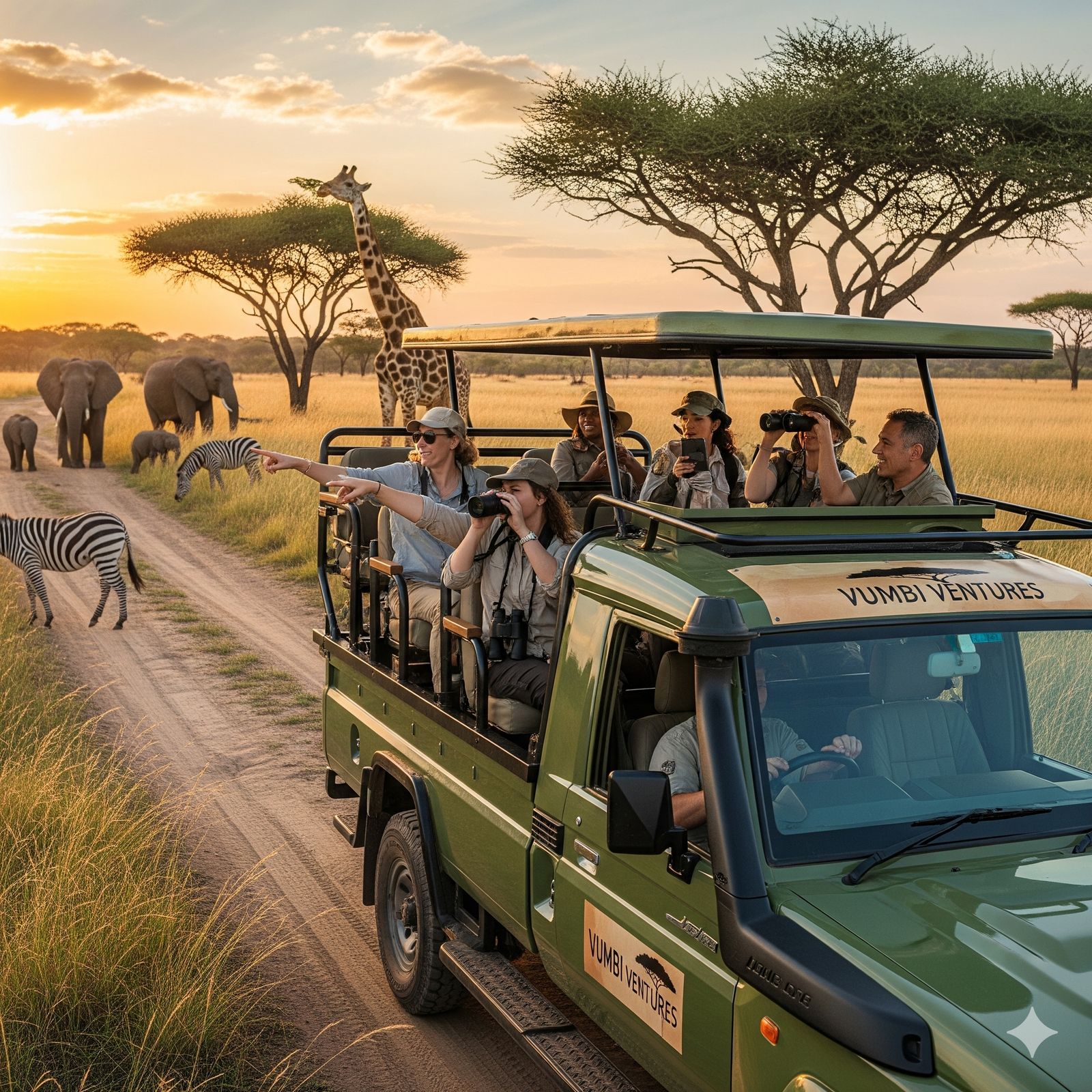
East Africa isn’t just a place—it’s an adventure in high definition. Think roaring lions at sunrise, herds of wildebeest kicking up dust, and sunsets that look like they’ve been painted with fire. If you’ve been dreaming about going on safari, here’s how to turn that dream into a well-planned reality. 1. Pick Your Safari Style Do you want to sleep in a luxury lodge with infinity pools overlooking the savannah, or do you crave the thrill of a tent under the stars? Your style will determine where you go and what you pack. • Luxury lodge safari – High-end comfort, gourmet meals, and top-notch guides. • Mobile tented safari – A mix of comfort and authenticity. • Budget camping safari – Rugged, adventurous, and perfect if you’re more about wildlife than wine lists. 2. Choose Your Destination(s) East Africa covers a lot of ground, so focus on what you want to see: • Kenya – The Maasai Mara, Amboseli (with Kilimanjaro views), and big cat action. • Tanzania – Serengeti, Ngorongoro Crater, and Zanzibar for post-safari beaches. • Uganda & Rwanda – Gorilla trekking and lush rainforest experiences. You can combine countries for a multi-stop adventure, but don’t try to cram too much in—wildlife doesn’t run on your schedule. 3. Time It Right The Great Migration in the Serengeti and Maasai Mara runs roughly from June to October. Calving season is in late January–February. Bird-watchers may prefer the wetter months when migratory species arrive. Always check local weather and park conditions before booking. 4. Book with a Reputable Operator A good safari operator is worth their weight in gold (or at least in well-charged camera batteries). They handle logistics, permits, and make sure you’re in the right place at the right time. Look for: • Positive reviews from past travelers. • Membership in recognized travel associations. • Guides with strong local knowledge. 5. Pack Smart Bring lightweight neutral clothing, a hat, sunscreen, insect repellent, and a camera with extra memory cards. Binoculars make a big difference, especially for birding or spotting distant predators. 6. Respect Nature Keep your distance from wildlife, follow your guide’s instructions, and avoid plastic waste. A safari is about witnessing nature without disrupting it. ________________________________________ Ready to start your adventure?

Read More

Hidden Gems in Africa Most Tourists Miss

When most travellers think of Africa, the “Big Five” safari destinations and famous landmarks like the Pyramids of Giza or Table Mountain usually come to mind. But beyond these iconic attractions lies a treasure trove of lesser-known spots—places that offer unforgettable experiences without the crowds. If you’re ready to swap predictable itineraries for something more authentic, here are some of Africa’s best-kept secrets. 1. Lamu Island, Kenya – Time Travel by the Sea Forget modern resorts. Lamu Island is a UNESCO World Heritage Site where cars are banned and life moves at the pace of a dhow sailboat. Cobbled streets, coral stone houses, and Arabic-influenced Swahili culture make it feel like stepping into the past. Expect fragrant spice markets, pristine beaches, and sunsets you’ll never want to leave behind. 2. The Quirimbas Archipelago, Mozambique – A Diver’s Paradise If Zanzibar feels too crowded, head south to the Quirimbas Islands. This string of 30 tropical isles boasts untouched coral reefs, rare marine life, and powdery sand beaches where you can walk for miles without meeting another soul. The snorkelling here is like swimming through a living aquarium, and the seafood is as fresh as it gets. 3. Ennedi Plateau, Chad – Africa’s Otherworldly Desert In the far northeast of Chad lies a desert landscape so surreal, it could be mistaken for another planet. Towering sandstone arches, hidden canyons, and prehistoric rock art make the Ennedi Plateau a dream for adventurers and photographers. It’s remote, yes—but the reward is feeling like you’ve discovered an ancient world. 4. Sipi Falls, Uganda – Coffee, Cliffs, and Cascades While most tourists flock to Uganda for gorilla trekking, Sipi Falls offers a different kind of magic. Nestled on the slopes of Mount Elgon, this trio of waterfalls is surrounded by lush coffee plantations and hiking trails with panoramic views. You can even roast your own beans with local farmers—a tasty souvenir you can actually drink. 5. Fish River Canyon, Namibia – Grand Canyon’s Quiet Cousin Namibia’s Fish River Canyon is the second largest in the world, but it remains surprisingly under the radar. The dramatic cliffs and winding river offer incredible hiking, especially on the multi-day Fish River Trail. Best part? You’ll likely have entire viewpoints all to yourself. Why These Gems Stay Hidden Many of these destinations fly under the radar because they’re remote, lack mass tourism infrastructure, or simply haven’t been heavily marketed. But that’s the beauty—they’re authentic, uncrowded, and give you a deeper connection to Africa’s landscapes and cultures. So next time you plan an African adventure, skip one or two of the obvious stops. Go where the tour buses don’t go. The stories you bring back will be far richer—and the photos, infinitely cooler.

Read More

Best Time to Visit Kenya, Uganda, Tanzania, and Rwanda

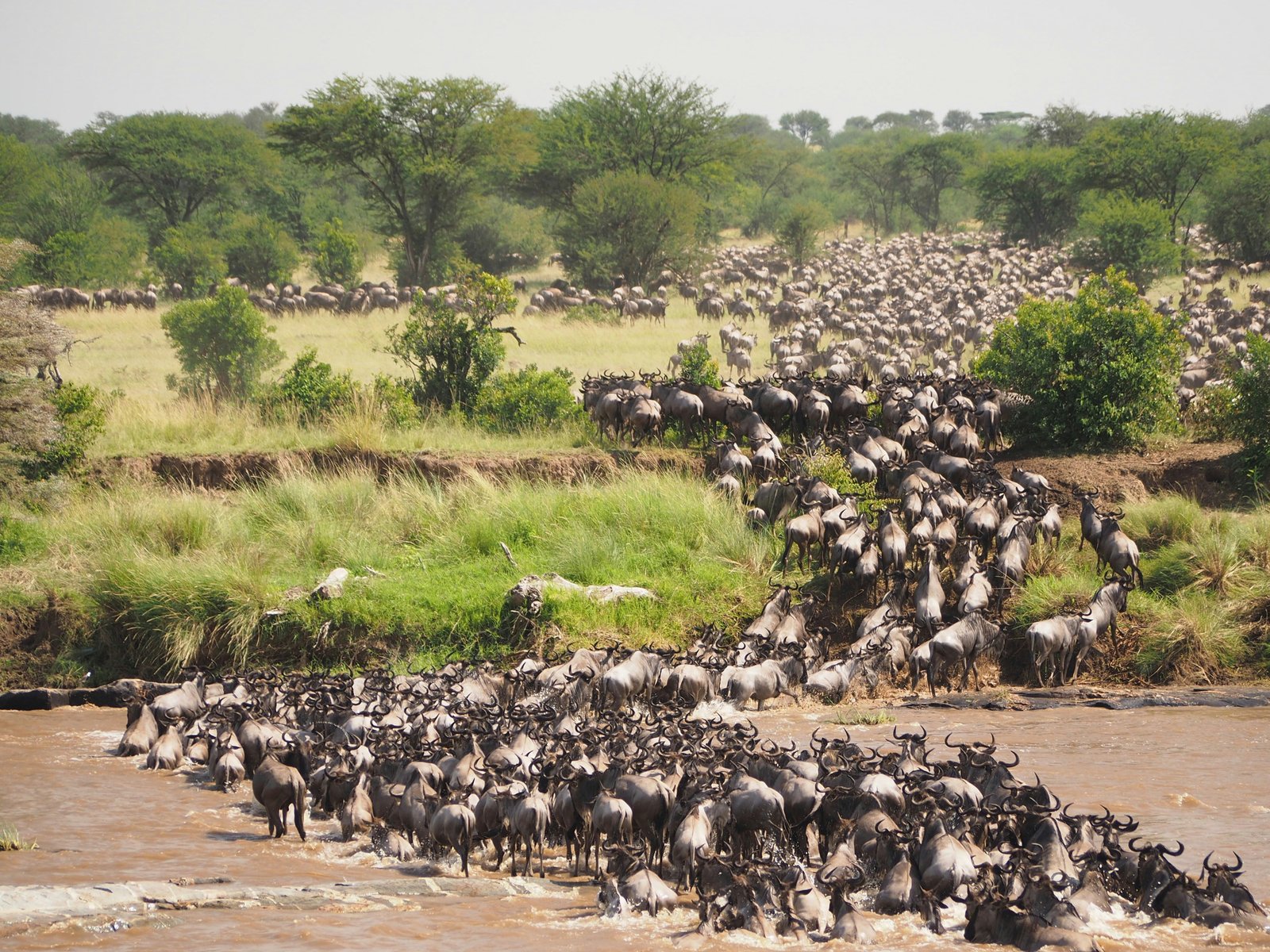
East Africa is a year-round destination, but the timing of your trip can make all the difference—especially if you’re chasing wildlife sightings, clear skies, or specific natural events. Kenya Kenya’s dry seasons—June to October and January to February—are prime time for safaris. The Great Migration crosses into the Maasai Mara from late July to October, offering dramatic river crossings and predator action. If you prefer fewer crowds and lush scenery, the short rains in November still allow for good game viewing. Uganda Uganda’s highlights, especially gorilla trekking in Bwindi Impenetrable National Park, are best experienced during the dry months of June to August and December to February. Trails are less slippery, and wildlife is easier to spot in open clearings. Birdwatchers might prefer March to May, when migratory species arrive, though this is wetter. Tanzania For classic safaris in the Serengeti and Ngorongoro Crater, aim for June to October. This is peak wildlife viewing season, with dry landscapes forcing animals to gather around water sources. The calving season in southern Serengeti—January to February—is a photographer’s dream, as thousands of wildebeest give birth, attracting predators. The Zanzibar coast is best from June to October or December to February for sunny beach days. Rwanda Rwanda’s mountain gorillas can be visited year-round, but the dry seasons of mid-December to early February and June to September offer easier hiking in Volcanoes National Park. The wetter months still have trekking permits available and fewer visitors, which can make for a more intimate experience. General Tips • Dry season (June to October) = best wildlife viewing across all four countries. • Shoulder months (November, March–May) = fewer tourists, lower prices, greener landscapes, but more rain. • Event-based travel: Time your trip for the Great Migration in Kenya/Tanzania or gorilla trekking in Uganda/Rwanda. By aligning your visit with the dry season—or a major wildlife spectacle—you’ll get the clearest skies, easiest access to parks, and the most rewarding encounters with East Africa’s incredible wildlife.

Read More
Nyeri Coffee Farm

Nyeri, Kenya

Tour lush coffee farms, learn climate-smart methods, and plant a tree with local cooperatives.

Women-led farms • Coffee tasting • Tree planting
Lake Kivu

Lake Kivu, Rwanda

Explore organic hillsides, taste banana beer, and discover community composting.

Agro-tour • Food culture • Forest views
Northern Ghana Shea

Northern Ghana

Visit a shea butter co-op and learn how sustainable practices power rural entrepreneurship.

Shea workshops • Women-led • Eco solutions

People and Culture

Tutorial

Art, Identity, and the African Soul: How Visual Expression Builds Community

‎Art in Africa is not simply decoration — it is language, history, identity, and spirit. From the intricate beadwork of the Maasai, to the bold strokes of contemporary African painters, to the ritual masks of the Dogon, every form of African art tells a story. Together, these artistic traditions shape the identity of individuals, communities, and entire nations. ‎ ‎1. The Roots of African Art: Where Identity Begins ‎ ‎The earliest rock art in Namibia, South Africa, and Algeria. ‎ ‎How traditional art forms (masks, sculpture, pottery, textiles) were deeply tied to rituals, spirituality, and daily life. ‎ ‎Art as a mirror of social roles — kingship, family, spirituality. ‎ ‎ ‎2. Art as a Language of Identity ‎ ‎Personal identity: Hairstyles, scarification, and clothing as art forms. ‎ ‎Community identity: Symbols on textiles, bead patterns, clan totems. ‎ ‎Spiritual identity: Masks and ritual sculptures as a way to communicate with ancestors. ‎ ‎Case study: The Yoruba and the meaning behind their carved wooden masks. ‎ ‎ ‎3. The Soul of the People: Art as Collective Memory ‎ ‎Art as history in societies without written scripts. ‎ ‎The role of griots, storytellers, and artisans in preserving heritage. ‎ ‎Example: Great Zimbabwe’s stone architecture as monumental art reflecting cultural pride. ‎ ‎ ‎4. The Evolution: From Traditional to Contemporary Expression ‎ ‎How colonial encounters influenced and distorted African art. ‎ ‎African art in resistance — reclaiming identity against imposed narratives. ‎ ‎Modern forms: painting, photography, film, and fashion. ‎ ‎Featured examples: ‎ ‎El Anatsui (Ghanaian sculptor transforming recycled materials). ‎ ‎Wangechi Mutu (Kenyan artist exploring identity and gender). ‎ ‎African street art in Dakar, Nairobi, Johannesburg. ‎ ‎ ‎5. Art as a Bridge: Community and Global Identity ‎ ‎Diaspora art — how African identity travels and adapts. ‎ ‎African art in museums and its controversial histories (debates on repatriation). ‎ ‎Festivals that showcase African identity (FESPACO in Burkina Faso, Chale Wote in Ghana). ‎ ‎ ‎6. Art and the Future: Youth, Innovation, and Identity ‎ ‎Young African artists fusing tradition with digital media. ‎ ‎Afrofuturism — imagining African futures through art. ‎ ‎Art as a tool for social change (murals, activism, eco-art). ‎ ‎Case study: Nairobi’s graffiti movement as social commentary. ‎ ‎ ‎ ‎7. Why African Art Matters Today ‎ ‎Art as a living archive of who Africans are and aspire to be. ‎ ‎Its role in building unity, pride, and global recognition. ‎ ‎“The African soul” as not just heritage, but also inspiration for the world. ‎ ‎ ‎ ‎Conclusion ‎ ‎African art is inseparable from African identity. It is the rhythm of the drum, the bead pattern on a warrior’s chest, the bold lines of a street mural, and the delicate strokes of a painter’s brush. It holds memory, reflects change, and builds community. To understand Africa is to engage with its art — for within it lies the soul of its people. ‎ ‎CTA: “At Vumbi Ventures, we celebrate Africa’s art, culture, and identity. Discover more stories, traditions, and experiences that shape the soul of the continent.” ‎ ‎

Dante
Tutorial

‎The Great Zimbabwe: Echoes of an African Civilization

Nestled in the heart of Southern Africa lies one of the most awe-inspiring archaeological sites on the continent — The Great Zimbabwe. Once a bustling city and the capital of the Kingdom of Zimbabwe during the Late Iron Age, this UNESCO World Heritage Site stands as a monumental testament to Africa’s ingenuity, cultural richness, and architectural mastery. ‎ ‎A Legacy of Stone and Spirit ‎ ‎Dating back to the 11th century, Great Zimbabwe was more than just a city — it was a center of power, trade, and culture. Its name, derived from “dzimba-dza-mabwe” (houses of stone), perfectly captures the grandeur of its stone walls and enclosures, built without mortar yet standing tall for centuries. ‎ ‎The site is divided into three main sections: ‎ ‎The Hill Complex – Once the spiritual and political hub, this part of Great Zimbabwe held shrines and elite residences. ‎ ‎The Great Enclosure – The largest single ancient structure in sub-Saharan Africa, with its iconic conical tower symbolizing strength and unity. ‎ ‎The Valley Ruins – Housing ordinary citizens, artisans, and traders, showcasing the vibrant social fabric of the city. ‎ ‎ ‎A Thriving Trade Empire ‎ ‎Great Zimbabwe thrived on its strategic trade networks. Gold, ivory, and cattle were traded with distant lands, reaching as far as China, Persia, and India via the Swahili Coast. Archaeological finds of Persian pottery and Chinese porcelain highlight its role as a global player in medieval trade. ‎ ‎This wealth and power allowed the kingdom to flourish, leaving behind a legacy of stone masonry and cultural heritage unmatched in Africa. ‎ ‎Cultural Significance ‎ ‎Great Zimbabwe was more than just an architectural marvel — it was a symbol of African identity and resilience. For centuries, colonial narratives tried to deny that Africans could have built such grandeur, attributing the structures to foreign civilizations. Today, however, the world recognizes Great Zimbabwe as a distinctly African creation, a powerful reminder of the continent’s historical brilliance. ‎ ‎The site also holds deep cultural meaning for the Shona people, whose traditions, myths, and spiritual practices are intertwined with the ruins. ‎ ‎A Must-Visit Destination ‎ ‎For travelers, Great Zimbabwe offers a journey back in time. Walking through its massive stone walls, you can almost hear the echoes of drums, voices of traders bargaining, and the spiritual chants that once filled the air. ‎ ‎Best time to visit: May to October (cooler and dry). ‎ ‎Nearby attractions: Lake Mutirikwi, Kyle National Park, and the vibrant town of Masvingo. ‎ ‎Activities: Guided tours of the ruins, cultural experiences with local communities, and exploration of the surrounding natural landscapes. ‎ ‎ ‎Why It Matters Today ‎ ‎Great Zimbabwe is not just about the past. It continues to inspire modern architecture, art, and national pride in Zimbabwe and beyond. It reminds us that Africa has always been home to great civilizations, innovation, and culture long before colonial times. ‎ ‎Visiting Great Zimbabwe isn’t just about admiring stone walls — it’s about connecting with Africa’s spirit, resilience, and creativity. ‎ ‎ ‎✨ Experience Africa with Vumbi Ventures — your gateway to cultural destinations, history, and unforgettable journeys.

Dante
Tutorial

Cooking African Meals at Home – Recipes from Locals

African cuisine is bold, colourful, and incredibly diverse. With over 50 countries and countless ethnic traditions, there’s no single way to define it—but one thing is certain: African food brings comfort and community to the table. Cooking African meals at home gives you the chance to enjoy authentic flavours without needing to travel. Thanks to locals who share their recipes, you can bring Africa’s best dishes straight into your kitchen. Why Try African Recipes at Home? If you’re looking for easy African meals that are rich in flavour and history, cooking at home is the way to go. Traditional African cooking uses fresh, natural ingredients—vegetables, grains, spices, and slow-cooked meats—that are both filling and nutritious. When you follow recipes from locals, you get more than just a dish; you get a taste of authenticity that can’t be found in generic versions. Cooking African meals at home also helps you explore new flavours, broaden your cooking skills, and share unique dishes with friends and family. From weeknight dinners to special gatherings, African recipes bring warmth and variety to the table. Common Ingredients in Traditional African Cooking African food is incredibly varied, but certain staples show up across regions: • Grains and starches: Rice, maize (corn), millet, cassava, plantains, and yams. • Legumes: Black-eyed peas, beans, and lentils for protein. • Vegetables: Tomatoes, onions, okra, spinach, and leafy greens. • Proteins: Chicken, beef, goat, lamb, and fish—often slow-simmered. • Spices: Garlic, ginger, chili peppers, curry blends, cumin, and coriander. Understanding these basics makes it easier to cook African meals at home with confidence. Easy African Meals You Can Try Here are some authentic African recipes shared by locals that you can recreate at home: 1. Jollof Rice (West Africa) A must-try recipe, Jollof rice is a one-pot dish made with rice, tomatoes, peppers, onions, and spices. Beloved in Nigeria, Ghana, and across West Africa, it’s smoky, spicy, and satisfying. Every family has its twist, but locals agree that patience—slow simmering until the flavors deepen—is key. 2. Ugali with Sukuma Wiki (East Africa) Ugali, a maize porridge, is a staple in Kenya and Tanzania. It’s usually served with sukuma wiki (collard greens sautéed with tomatoes and onions). This is a classic example of traditional African cooking at home—simple, budget-friendly, and nourishing. 3. Injera with Doro Wat (Ethiopia) Injera, a spongy flatbread made from teff flour, is the heart of Ethiopian meals. Locals pair it with doro wat, a spicy chicken stew slow-cooked with berbere spice. Authentic African food doesn’t get more iconic than this. 4. Bunny Chow (South Africa) This South African street food is a hollowed-out loaf of bread filled with curry. Introduced by the Indian community and perfected by locals, bunny chow is a filling and flavorful dish that’s surprisingly easy to make at home. Tips for Cooking African Meals at Home • Use authentic spices: Look for African grocery stores or online shops. • Batch cook stews: They taste even better the next day. • Cook slowly: Traditional African food often relies on slow simmering for depth. • Follow locals: Blogs, cooking videos, and cookbooks from African chefs are the best resources for authentic recipes. Bringing African Flavours Into Your Kitchen Cooking African meals at home is more than just following a recipe—it’s about connecting with culture and tradition. Each dish carries stories of family, community, and resilience. By trying authentic African recipes, you not only enjoy amazing food but also honour the people and traditions that created it. Start with easy African meals like Jollof rice or Ugali, then work your way up to more complex recipes. With a few spices, fresh ingredients, and guidance from locals, you’ll be able to enjoy traditional African cooking at home—and bring the warmth of Africa to your table.

Dante
Tutorial

Street Food Tours in East African Cities

Street food in East Africa is more than a quick bite—it’s a gateway into the region’s history, traditions, and daily life. Across bustling markets, coastal promenades, and urban backstreets, vendors serve dishes that fuse indigenous ingredients with centuries of trade and migration. Street food tours in cities like Nairobi, Dar es Salaam, Zanzibar City, and Addis Ababa have become popular for travellers and locals who want to explore culture through taste. In Nairobi, the experience starts with aroma. Streets fill with the scent of roasting maize, deep-fried samosas, and nyama choma—grilled meat often served with kachumbari, a fresh tomato-onion salad. Vendors work from small stalls or mobile carts, offering snacks that draw influence from Indian, Arab, and local Kenyan cooking. A good tour weaves through neighbourhoods like Gikomba or Kibera, stopping at family-run stands where recipes have passed down for generations. Dar es Salaam’s street food scene leans heavily into the flavours of the Indian Ocean. The city’s Swahili heritage comes alive in dishes like mishkaki—skewered, spiced beef or chicken grilled over open coals—and Zanzibar mix, a rich, spicy soup combining fritters, potatoes, and coconut chutney. Along the waterfront, you’ll find vendors selling fried cassava, sugarcane juice, and vitumbua, small rice-flour pancakes with a hint of coconut. Evening tours often end at night markets where fresh seafood is grilled to order. Zanzibar City’s famous Forodhani Gardens is a must-stop for any street food tour. As the sun sets, the park transforms into an open-air kitchen, with vendors calling out to passers-by to try octopus skewers, Zanzibari pizza (a stuffed, pan-fried pastry), or urojo soup. The island’s long history as a spice hub shapes its street food: cinnamon, cloves, and cardamom show up in both savory and sweet dishes. In Addis Ababa, the streets hum with injera-making stalls and coffee stands. Street food tours here might start with tibs—sautéed meat with spices—served on injera, then move to roadside shiro wat (chickpea stew) and roasted barley snacks. Coffee ceremonies, performed by vendors over small charcoal stoves, are as important as the food, offering a moment of connection amid the city’s rush. Street food tours in East African cities are more than eating—they’re about listening to vendors’ stories, watching skilled hands at work, and understanding how food reflects migration, trade, and community. They’re immersive journeys that satisfy hunger while offering a richer sense of place than any guidebook could provide.

Dante

Daily Read

East Africa
‎🇰🇪 Kenya: A Luxurious Journey Through Culture, Wilderness & Coastline Magic

‎🇰🇪 Kenya: A Luxurious Journey Through Culture, Wilderness & Coastline Magic

By Dante, 2 months ago

Kenya is not a destination you simply visit — it’s a world you step into. ‎A world where ancient traditions breathe beneath the surface of modern cities, where amber sunsets fall over endless savannas, and where the Indian Ocean whispers against white sands as dhows glide gently across the horizon. ‎ ‎This is a land of contrasts and harmony. A place where adventure and indulgence live side by side. ‎And for the discerning traveler, Kenya offers a rare balance of luxury, authenticity, and soul-stirring experiences. ‎ ‎✨ The Spirit of Kenya: Where Culture Welcomes You First ‎ ‎Before the wildlife, before the beaches, it is the Kenyan people who make your journey unforgettable. ‎ ‎From the Maasai herdsmen adorned in crimson shukas to the Swahili artisans carving centuries-old designs along the coast, Kenya’s cultural tapestry is one of diversity, warmth, and timeless charm. Hospitality is not a service here — it’s a way of life. ‎ ‎Expect to be welcomed with: ‎ ‎Genuine smiles that feel like old friendships ‎ ‎Food prepared with heart — from coastal pilau to countryside nyama choma ‎ ‎Rhythms of Benga, Taarab, Afro-Jazz, and Genge filling night markets and city lounges ‎ ‎Traditions deeply rooted in community, storytelling, and heritage ‎ ‎ ‎In Kenya, culture isn’t observed; it’s lived. ‎ ‎🌍 A Country Designed by Nature & Refined for Luxury ‎ ‎Whether you’re exploring the wild plains of the Maasai Mara, sipping champagne beneath Mt. Kilimanjaro’s snowcapped crown, or unwinding at a secluded coastal villa, Kenya delivers an experience infused with elegance and wonder. ‎ ‎Let’s step into the most exquisite destinations this country offers. ‎ ‎ ‎📍 Destination Inspiration: Kenya’s Most Breathtaking Places ‎ ‎1. Nairobi — Africa’s Capital of Style ‎ ‎Vibrant, fast-paced, unexpectedly cosmopolitan — Nairobi is more than a gateway; it’s an experience. ‎Imagine having wild giraffes grazing at the edge of the skyline, just minutes from rooftop lounges and award-winning restaurants. ‎ ‎Signature Nairobi Experiences ‎ ‎Sundowners at Nairobi National Park ‎ ‎Private breakfast with giraffes in Karen ‎ ‎Curated art tours through the city’s contemporary galleries ‎ ‎Forest walks in Karura, one of Africa’s most serene urban escapes ‎ ‎ ‎Where to Stay (Luxury) ‎— Villa Rosa Kempinski ‎— Hemingways Nairobi ‎— Tribe Hotel ‎ ‎2. Maasai Mara — A Safari Fit for Royalty ‎ ‎The Mara is where luxury safari dreams come alive — where the earth trembles during the Great Migration, and where golden grasslands stretch beyond the horizon. ‎ ‎Imagine waking to the distant roar of lions, then floating over herds of wildebeest in a private hot-air balloon. ‎This is pure, raw Africa… experienced with refined comfort. ‎ ‎Stay in Style ‎— Angama Mara: a clifftop lodge suspended between sky and savanna ‎— Mahali Mzuri: Sir Richard Branson’s futuristic tented paradise ‎— Mara Serena Safari Lodge: panoramic views with exceptional service ‎ ‎ ‎3. Diani Beach — White Sands, Turquoise Dreams ‎ ‎Along Kenya’s southern coastline lies Diani, a world of powdery sands, palm-shaded resorts, and gentle teal waters. Here, life slows to a luxurious hush. ‎ ‎Indulge in: ‎ ‎Oceanfront massages ‎ ‎Sunset dhow cruises ‎ ‎Snorkeling over vibrant coral gardens ‎ ‎Private candlelit dinners on the beach ‎ ‎ ‎Where to Stay ‎— The Sands at Nomad ‎— Almanara Luxury Villas ‎— Baobab Beach Resort (premium all-inclusive) ‎ ‎4. Watamu — Coral Reefs & Coastal Serenity ‎ ‎Watamu is a whisper of paradise — calm, intimate, and breathtakingly beautiful. Loved by honeymooners and elite travelers seeking peace with flair. ‎ ‎Highlights ‎ ‎Turtle reserves ‎ ‎Glass-bottom boat tours ‎ ‎The mystical Gede Ruins ‎ ‎Sunset paddling in Mida Creek ‎ ‎ ‎Where to Stay ‎— Medina Palms ‎— Temple Point ‎— Turtle Bay Beach Club ‎ ‎5. Amboseli — Elephants at the Foot of Kilimanjaro ‎ ‎There is no image more iconic than Amboseli: giant elephants wandering past the towering presence of Mt. Kilimanjaro. ‎ ‎This is the place for photographers, romantics, and travelers seeking soul-deep moments. ‎ ‎Top Stays ‎— Oltukai Lodge ‎— Satao Elerai Camp ‎ ‎ ‎6. Lamu Island — Timeless Elegance by the Sea ‎ ‎Ancient Swahili architecture. Narrow streets scented with spices. Dhows drifting across the ocean at sunrise. ‎Lamu is not a place — it is poetry. ‎ ‎ ‎🎒 Exquisite Experiences Across Kenya ‎ ‎Champagne balloon rides at sunrise ‎ ‎Luxury drives through the Great Rift Valley ‎ ‎Marine safaris with dolphins and sea turtles ‎ ‎Private coastal dhow dinners ‎ ‎Premium city dining in Nairobi ‎ ‎Guided cultural immersions with Maasai and Samburu communities ‎ ‎Every moment feels handcrafted. ‎ ‎ ‎💎 Where Luxury Meets Convenience: Travel Essentials ‎ ‎Best Time to Visit ‎ ‎June–October: Golden dry season, perfect for safaris ‎ ‎July–October: Great Migration ‎ ‎December–March: Beautiful beach weather ‎ ‎Getting Around ‎ ‎Private flights (Safarilink, Air Kenya) ‎ ‎Luxury transfers ‎ ‎Nairobi–Mombasa SGR (First Class recommended) ‎ ‎Uber & Bolt in Nairobi ‎ ‎🌅 A 7-Day Luxury Kenya Itinerary ‎ ‎Day 1–2: Nairobi ‎ ‎Giraffe breakfast • curated art tour • fine dining ‎ ‎Day 3–4: Maasai Mara ‎ ‎Luxury safari • private balloon ride • sundowners ‎ ‎Day 5–7: Diani or Watamu ‎ ‎Oceanfront villa • dhow cruise • spa & relaxation ‎ ‎ ‎🌟 Final Word: Kenya is Luxury by Nature ‎ ‎Kenya captures the imagination like few places on earth. It is a destination where the wild meets the refined, where adventure meets elegance, and where every sunrise feels like a gift. ‎ ‎For travelers seeking beauty, serenity, and unforgettable stories — Kenya is the journey of a lifetime. ‎

History
‎🌊 The Forgotten Voyage of Mansa Abubakari II: Africa’s Atlantic Explorer Before Columbus

‎🌊 The Forgotten Voyage of Mansa Abubakari II: Africa’s Atlantic Explorer Before Columbus

By Dante, 4 months ago

‎When people think of great explorers who crossed the Atlantic, names like Christopher Columbus and Vasco da Gama dominate the conversation. The common narrative begins in Europe’s “Age of Exploration,” painting Africans as passive bystanders until the arrival of ships bearing foreign flags. ‎ ‎Yet African history tells a very different story. More than a century before Columbus, an emperor from one of Africa’s most powerful kingdoms — Mansa Abubakari II of Mali — is said to have launched a daring expedition across the Atlantic Ocean. With thousands of ships and men, he sought to uncover the mysteries of the horizon. ‎ ‎Though his journey ended in silence, his legacy challenges how we think about exploration, Africa’s role in world history, and the myth of isolation. ‎ ‎This is the story of Abubakari II — the emperor who gave up a throne of gold to chase the unknown. ‎ ‎ ‎ ‎The Mali Empire: Wealth, Power, and Knowledge ‎ ‎To understand Abubakari, one must first understand the Mali Empire, a civilization that flourished in West Africa between the 13th and 16th centuries. ‎ ‎A Land of Gold ‎ ‎Mali was founded by Sundiata Keita after the Battle of Kirina in 1235. Over the next century, the empire expanded across much of West Africa, encompassing modern-day Mali, Senegal, Gambia, Guinea, Niger, and parts of Nigeria. ‎ ‎Mali controlled the trans-Saharan trade routes, where caravans carried salt from the Sahara southward and gold, ivory, and slaves northward. ‎ ‎Its rulers were unimaginably wealthy. Gold dust was so common in Mali that it was used for ornaments, ceremonies, and international trade. ‎ ‎ ‎Cities of Knowledge ‎ ‎The empire was not only rich but intellectually vibrant: ‎ ‎Timbuktu became a center of Islamic learning, with universities and libraries housing thousands of manuscripts. ‎ ‎Scholars from North Africa and the Middle East came to study astronomy, medicine, mathematics, and theology. ‎ ‎The city of Gao flourished as both a commercial hub and a cultural center. ‎ ‎ ‎Mali’s Maritime Potential ‎ ‎Although Mali was inland, its western borders stretched to the Atlantic coast. The empire controlled river systems like the Niger, which nurtured traditions of boatbuilding and navigation. West Africans constructed long canoes and seafaring vessels, some capable of carrying up to 80 men. ‎ ‎Combined with Mali’s organizational strength and wealth, this maritime knowledge laid the foundation for Abubakari’s bold dream. ‎ ‎ ‎The Restless Emperor ‎ ‎Abubakari II, also known as Abu Bakr II, ascended the throne in the early 14th century. He inherited not only vast riches but also a legacy of expansion and ambition. ‎ ‎Unlike other rulers, Abubakari was fascinated not just with ruling land but with the ocean itself. The Atlantic, stretching endlessly to the west, posed a question that haunted him: ‎ ‎“What lies beyond the great water?” ‎ ‎His curiosity was more than idle wonder. Trade routes across the Sahara had already connected Mali to North Africa, the Mediterranean, and beyond. Abubakari must have known of Viking voyages in the north, Arab navigators crossing the Indian Ocean, and legends of lands far across the seas. ‎ ‎ ‎The First Expedition ‎ ‎The most detailed account of Abubakari’s voyages comes from the Egyptian historian Al-Umari, who interviewed Mansa Musa in Cairo in 1324 during Musa’s famous pilgrimage to Mecca. ‎ ‎According to Musa, Abubakari’s curiosity drove him to action. He ordered a fleet of 200 ships to sail westward across the Atlantic. Each ship was carefully provisioned: ‎ ‎One half carried men, scholars, and sailors. ‎ ‎The other half carried food, water, gold, and supplies for long-term survival. ‎ ‎ ‎The fleet set out, vanishing into the ocean. Months passed. Finally, one ship returned. Its captain told Abubakari a chilling tale: ‎ ‎> “We sailed far into the ocean until we reached a place where the water seemed to rush downward with great force. Most of the fleet was swallowed by the current. I turned back, but the others did not return.” ‎ ‎Where modern geography sees the Canary Current and equatorial drifts, Abubakari saw a mystery worth unraveling. To him, the disaster was not an end but a clue: the ocean had pathways, currents that led somewhere. ‎ ‎ ‎Abdication and the Great Voyage of 1311 ‎ ‎Most emperors would have abandoned such a perilous quest. Abubakari chose the opposite. ‎ ‎Determined to solve the riddle of the Atlantic, he made a radical decision: ‎ ‎He abdicated the throne in favor of his brother’s son, Musa, who would later become the legendary Mansa Musa. ‎ ‎He began preparing a second, far grander expedition. This time, the scale was unprecedented: ‎ ‎2,000 ships in total ‎ ‎1,000 ships carried men — warriors, scholars, sailors, and settlers. ‎ ‎1,000 ships carried supplies — grain, seeds, gold, livestock, water, and tools. The fleet was said to be so vast that it stretched across the horizon. ‎ ‎In 1311, Abubakari II himself led the armada into the Atlantic, leaving behind his empire, his throne, and his name. He was never seen again. ‎ ‎ ‎Could Abubakari Have Reached the Americas? ‎ ‎Here the line between history and possibility blurs. No definitive archaeological proof has been found of Malian contact with the Americas. Yet several intriguing clues keep the debate alive. ‎ ‎1. Ocean Currents ‎ ‎Modern oceanography confirms that currents flow directly from West Africa to the Americas: The Canary Current sweeps from the coast of Senegal and Gambia toward the Caribbean. ‎ ‎Voyages using this current can reach Brazil or the West Indies in weeks, even without advanced navigation. This means Abubakari’s ships, if seaworthy, could have made the crossing. ‎ ‎2. Spanish and Portuguese Chronicles ‎ ‎When Columbus arrived in the Caribbean in 1492, some indigenous people reportedly spoke of “black men who came from the east in boats, trading in gold-tipped spears.” Early Spanish accounts mention the presence of black traders in the region. ‎ ‎3. Linguistic and Cultural Echoes ‎ ‎Some scholars argue that certain words in Mandinka, a Malian language, appear in early Caribbean and South American dialects. Others point to agricultural practices, such as the cultivation of cotton and knowledge of metallurgy, that may suggest African influence. ‎ ‎4. The Olmec Heads ‎ ‎The giant stone heads of the Olmec civilization in Mexico, with their broad noses and full lips, have fueled speculation about African contact. While mainstream archaeology attributes these features to indigenous diversity, some researchers argue they resemble West African physiognomy. ‎ ‎5. Archaeological Finds ‎ ‎In South America, a few pre-Columbian artifacts made of alloys consistent with West African metallurgy have been discovered, though evidence remains sparse and contested. ‎ ‎ ‎Skepticism and Debate ‎ ‎Most mainstream historians remain cautious: ‎ ‎The lack of definitive artifacts, settlements, or genetic evidence makes it hard to prove trans-Atlantic contact. ‎ ‎Oral traditions and second-hand chronicles can be unreliable. ‎ ‎Some argue that even if the fleet set out, it may have perished at sea. ‎ ‎ ‎Yet the very plausibility of the voyage — given the currents, the resources of Mali, and the recorded determination of Abubakari — makes it difficult to dismiss. ‎ ‎ ‎Legacy of Abubakari II ‎ ‎Whether or not he reached the Americas, Abubakari’s story leaves an enduring legacy. ‎ ‎1. Africa as an Agent of Exploration ‎ ‎His voyage reminds us that Africa was not isolated before colonialism. Africans were trading across the Sahara, sailing the Indian Ocean, and possibly crossing the Atlantic long before European expansion. ‎ ‎2. The Power of Curiosity ‎ ‎Abubakari gave up unimaginable wealth and authority — an empire of gold — to pursue knowledge. His decision to abandon the throne for exploration is rare in history, showing the depth of his vision. ‎ ‎3. Inspiration for Reframing History ‎ ‎The story of Abubakari II forces us to reconsider how exploration is taught. Instead of beginning with Columbus, the narrative should include Africa’s navigators, explorers, and risk-takers who shaped global connections. ‎ ‎ ‎Conclusion: The Emperor Who Sailed into Mystery ‎ ‎Mansa Abubakari II remains a ghost of history — a figure caught between legend and fact. His story may never be fully proven, but it offers a powerful counter-narrative to Eurocentric history. ‎ ‎In 1311, an African emperor launched one of the greatest voyages ever attempted, sailing into the unknown with thousands of men and ships. He never returned, but his legacy endures as a reminder that the human drive to explore, discover, and connect has always belonged to all civilizations. ‎ ‎More than six centuries later, his voyage continues to whisper across the waves: a tale of ambition, courage, and the eternal question of what lies beyond the horizon.

City
Kenya’s Digital Nomad Visa: A Complete 2025 Guide for Remote Workers

Kenya’s Digital Nomad Visa: A Complete 2025 Guide for Remote Workers

By Dante, 4 months ago

Why Kenya Is on the Map for Digital Nomads ‎ ‎Over the past decade, Kenya has become one of Africa’s most dynamic destinations—not just for safari lovers, but also for entrepreneurs, creatives, and now, digital nomads. With a new Digital Nomad Visa / Work Permit being rolled out, the country is opening its doors to remote workers looking for a base that blends connectivity, culture, and adventure. ‎ ‎But what does this visa really mean? How much does it cost to live in Kenya as a remote worker? And where should nomads consider setting up base? This article is your comprehensive guide. ‎ ‎ ‎ ‎📑 1. What Is the Kenya Digital Nomad Visa? ‎ ‎Kenya announced its plan for a Digital Nomad Work Permit in late 2024, aiming to attract professionals who earn their income online while living in Kenya. ‎ ‎Key points so far (2025 status): ‎ ‎Eligibility: Applicants must prove remote income from outside Kenya. ‎ ‎Income threshold: Expected to be set between $1,500–$2,000 USD monthly (to ensure self-sufficiency). ‎ ‎Duration: Initially planned as a 1-year visa, renewable upon review. ‎ ‎Application status: Still in phased rollout—applications may only be available through Kenyan embassies or immigration offices. ‎ ‎🌐 2. Internet & Infrastructure: Can You Really Work Remotely in Kenya? ‎ ‎One of the biggest concerns for remote workers is reliable internet. Kenya, surprisingly to many, is ahead of much of Africa: ‎ ‎Nairobi consistently ranks among the top African cities for internet speed, with fiber connections in most urban centers. ‎ ‎4G coverage is extensive, and 5G rollout is ongoing in Nairobi, Mombasa, and Kisumu. ‎ ‎Coworking spaces like Nairobi Garage and Workstyle Africa cater to remote workers with high-speed internet and networking events. ‎ ‎ ‎ ‎🏙️ 3. Best Cities in Kenya for Digital Nomads ‎ ‎Not every location is ideal for remote work. Here are the top picks: ‎ ‎🏢 Nairobi – The Tech Hub ‎ ‎Africa’s “Silicon Savannah” with a booming tech ecosystem. ‎ ‎Vibrant nightlife, cafes, coworking spaces. ‎ ‎Downsides: traffic and higher costs than other regions. ‎ ‎ ‎🏖️ Mombasa & Diani – Coastal Paradise ‎ ‎Perfect for nomads seeking a work-life balance with sun and sea. ‎ ‎Diani Beach is famous for kitesurfing, coworking spots, and affordable rentals. ‎ ‎Internet speeds are solid along the coast. ‎ ‎ ‎🏝️ Lamu – The Slow Living Experience ‎ ‎UNESCO World Heritage island with no cars, just donkeys and boats. ‎ ‎Ideal for writers, artists, and creative nomads seeking peace. ‎ ‎Limited infrastructure, but fiber internet is improving. ‎ ‎ ‎🏞️ Nanyuki – Gateway to Adventure ‎ ‎Popular with expats for its cooler climate, affordable housing, and proximity to Mount Kenya. ‎ ‎Best for nomads who love hiking, nature, and a relaxed pace. ‎ ‎ ‎ ‎💰 4. Cost of Living for Digital Nomads in Kenya ‎ ‎Kenya is generally more affordable than Europe or North America, but prices vary by city. ‎ ‎Approximate monthly costs (USD): ‎ ‎Nairobi: $1,200 – $2,000 ‎ ‎Mombasa/Diani: $900 – $1,500 ‎ ‎Lamu: $700 – $1,200 ‎ ‎Nanyuki: $800 – $1,400 ‎ ‎ ‎Breakdown: ‎ ‎Rent: $300–$800 depending on location & amenities. ‎ ‎Internet: $30–$50 per month. ‎ ‎Coworking space: $100–$150. ‎ ‎Food & transport: $300–$500. ‎ ‎ ‎✅ 5. Pros & Cons of Working Remotely from Kenya ‎ ‎Pros: ‎ ‎Affordable lifestyle compared to Western countries. ‎ ‎Fast-growing remote work infrastructure. ‎ ‎Incredible natural beauty: from beaches to safaris. ‎ ‎Welcoming local culture. ‎ ‎ ‎Cons: ‎ ‎Bureaucracy in visa processes. ‎ ‎Occasional power outages (backup recommended). ‎ ‎Safety varies by location—urban areas need extra awareness. ‎ ‎ ‎ ‎🌍 6. Kenya vs. Other Digital Nomad Hotspots ‎ ‎Compared to Thailand or Portugal, Kenya is less developed for nomads but: ‎ ‎Offers unique African culture and wildlife experiences. ‎ ‎Lower competition in coworking & nomad spaces—easier to stand out as a creative or entrepreneur. ‎ ‎Growing government support for nomads means early adopters may get the best opportunities. ‎ ‎ ‎ ‎✈️ 7. Practical Tips Before You Move ‎ ‎Bring a backup power bank and consider a UPS for your work setup. ‎ ‎Use eSIMs like Airalo for flexible internet access. ‎ ‎Network with local communities via Facebook expat groups and coworking spaces. ‎ ‎Explore beyond work: safari, music festivals, Swahili coast adventures. ‎ ‎ ‎ ‎📝 Conclusion: Is Kenya Worth It for Digital Nomads? ‎ ‎Absolutely. While the Kenya digital nomad visa is still unfolding in 2025, the country already offers a compelling mix of affordable living, reliable internet, and unmatched natural beauty. Whether you want to sip coffee while coding in Nairobi, relax on the beaches of Diani after a Zoom call, or write your novel in Lamu, Kenya is positioning itself as a serious player in the global remote work map.

Country
🌍 Kenya Beyond Safari: 7 Hidden Gems You Need to Discover

🌍 Kenya Beyond Safari: 7 Hidden Gems You Need to Discover

By Dante, 4 months ago

When most people think of Kenya, images of lions, elephants, and endless savannahs come to mind. While the Great Migration in the Maasai Mara and classic safaris are truly breathtaking, Kenya holds far more secrets than most travelers realize. Beyond the safari lies a land of ancient forests, island escapes, desert landscapes, and cultural treasures waiting to be explored. If you’re ready to discover a side of Kenya that few travelers experience, here are 7 hidden gems in Kenya that will change the way you see this beautiful country. --- 🏝️ 1. Rusinga Island – The Jewel of Lake Victoria Tucked away on the eastern shores of Lake Victoria, Rusinga Island is a quiet paradise of fishing villages, rolling hills, and tranquil waters. Famous for its prehistoric fossil sites and vibrant Luo culture, the island offers a unique blend of heritage and relaxation. What to Do: Explore the Tom Mboya Mausoleum, take a boat ride on Lake Victoria, or enjoy fresh tilapia prepared the local way. Why Visit: Perfect for travelers seeking authentic cultural experiences in Kenya away from tourist crowds. --- 🏜️ 2. Chalbi Desert – Kenya’s Northern Wonder Far from the green highlands lies the Chalbi Desert, a vast and surreal landscape stretching across Marsabit County. Its name means “bare and salty,” and standing here feels like stepping onto another planet. What to Do: Visit North Horr, explore ancient oases, and witness the stunning starry skies at night. Why Visit: Ideal for adventurers looking for unique desert landscapes in Africa and off-the-beaten-path exploration. --- 🕌 3. Lamu Old Town – A Living Museum of Swahili Culture A UNESCO World Heritage Site, Lamu Old Town is Kenya’s oldest continually inhabited settlement. Its narrow alleys, centuries-old Swahili houses, and dhow-dotted waterfront transport visitors back in time. What to Do: Explore Lamu Museum, sail on a traditional dhow, and experience the Lamu Cultural Festival. Why Visit: For travelers in search of authentic Swahili culture and heritage in East Africa. --- 🌳 4. Kakamega Forest – Africa’s Last Rainforest In western Kenya lies Kakamega Forest, the last remaining pocket of the great Guineo-Congolian rainforest that once stretched across Africa. This magical forest is home to towering trees, rare primates, and over 300 species of birds. What to Do: Birdwatching, guided forest walks, and sunrise hikes to Lirhanda Hill. Why Visit: A must for nature lovers and birdwatching enthusiasts looking for a side of Kenya most tourists miss. --- 🌲 5. Ngare Ndare Forest – The Canopy Walk of Dreams Nestled at the foothills of Mount Kenya, Ngare Ndare Forest offers turquoise pools, waterfalls, and one of Africa’s most exciting canopy walkways. Suspended 40 feet above the forest floor, the walkway gives panoramic views of elephants roaming below. What to Do: Swim in crystal-clear pools, hike through the forest, and walk across the suspension bridge. Why Visit: A thrilling eco-tourism experience in Kenya that combines adventure with breathtaking scenery. --- 🦌 6. Saiwa Swamp National Park – Tiny but Magical Kenya’s smallest national park, Saiwa Swamp, packs a lot of magic into just 3 km². This lush wetland is the only protected habitat of the rare sitatunga antelope, a shy swamp-dwelling species. What to Do: Birdwatching, boardwalk trails, and spotting sitatunga in their natural habitat. Why Visit: Perfect for travelers who want hidden wildlife encounters in Kenya away from crowds. --- 🌄 7. Marafa Depression (Hell’s Kitchen) – Kenya’s Grand Canyon In the coastal county of Kilifi lies the Marafa Depression, also known as Hell’s Kitchen. This sandstone canyon glows in shades of red, orange, and pink, sculpted over centuries by wind and rain. What to Do: Visit at sunset to see the rocks come alive in fiery colors. Why Visit: A hidden geological wonder and one of the most Instagrammable natural attractions in Kenya. --- 🌈 Discover the Kenya Few Tourists See Kenya is far more than safari—it’s a land of cultural heritage, rare wildlife, stunning forests, deserts, islands, and hidden wonders that tell the deeper story of the nation. Whether it’s walking above the treetops in Ngare Ndare, watching the sun set over Marafa, or sailing along Lamu’s historic coast, each hidden gem offers an unforgettable adventure. ✨ Next time you think of Kenya, think beyond the Big Five. Adventure awaits where the maps grow quiet and the crowds disappear.

Comments

Loading comments...

No comments yet. Be the first to comment!
Your profile