Kenya doesn't have one perfect safari season. The best time to visit depends on what you want to see, how you want to travel, and whether you prefer busy wildlife hotspots or quieter green landscapes.
Key Facts
Best Overall Period
June–October for generally dry conditions and strong wildlife viewing
Great Migration
Large numbers of wildebeest commonly reach the Maasai Mara from around July, but timing varies from year to year
Green Season
November–December, with greener landscapes and generally fewer visitors
Another Good Dry Period
January–February
Long Rains
March–May, with April often among the wetter months
Main Safari Destinations
Maasai Mara · Amboseli · Tsavo · Samburu
Travel Tip
Migration and wildlife movements are natural events, so sightings can never be guaranteed on a specific date.
When Is the Best Time to Visit Kenya?
Planning a safari in Kenya is something many travellers look forward to for years. And once you've decided to make the trip, one of the first questions you'll probably ask is: when is the best time to visit?
There isn't one perfect month for everyone.
The best time depends on what you want to see, the kind of experience you're looking for, your budget, and how you feel about crowds and weather.
Kenya is a year-round safari destination. Some months are better for traditional game viewing, others offer greener landscapes and fewer visitors, and some can be particularly rewarding if you're interested in birdlife or combining a safari with a trip to the coast.
Here's what you should know before choosing your dates.
Understanding Kenya's Safari Seasons
Because Kenya sits across the equator, you won't find the four distinct seasons familiar to travellers from Europe or North America.
Instead, safari planning generally revolves around dry and wet periods. These patterns affect vegetation, road conditions, wildlife movements and the overall experience in the parks and reserves.
The timing also varies between regions, so conditions in the Maasai Mara won't necessarily be identical to those in Amboseli or Tsavo.
June to October: The Dry Season
June through October is one of the most popular periods for a Kenyan safari.
As the dry season progresses, water becomes less available in many areas. Wildlife often gathers around permanent rivers and waterholes, while shorter vegetation can make animals easier to spot.
The weather is also generally comfortable for game drives, although mornings and evenings can be surprisingly cold, particularly in higher-altitude areas.
Why Travellers Choose This Period
- Wildlife viewing: Animals can be easier to spot around remaining water sources.
- Visibility: Vegetation is generally less dense than during wetter periods.
- Road conditions: Many safari routes are easier to navigate during drier conditions.
- Migration: July to October can coincide with parts of the annual wildebeest migration in the Maasai Mara.
The trade-off is that this is also a popular travel period. Accommodation can fill up quickly, particularly around high-demand areas and peak migration periods.
If you're planning to travel during these months, booking early is a good idea.
November to December: Green Landscapes and Fewer Crowds
The short rains usually arrive around November and can extend into December, although rainfall patterns vary from year to year and from one part of Kenya to another.
Rain doesn't necessarily mean that your safari will be washed out. Showers can be relatively brief, and the landscape can change dramatically as vegetation becomes greener.
This period can appeal to travellers who want a quieter experience and don't mind some unpredictable weather.
It's also a good period for birdwatching, with migratory species adding to Kenya's already impressive birdlife.
Why Consider the Short-Rains Season?
- Landscapes become greener.
- Visitor numbers can be lower than during peak periods.
- Photography can benefit from dramatic skies and fresh vegetation.
- Birdwatching can be particularly rewarding.
- Some accommodation and travel options may be more affordable.
The exact experience depends heavily on the year's rainfall, so flexibility is useful.
January and February: Another Good Dry Period
January and February are generally relatively dry in many of Kenya's safari regions, making them another attractive period for game viewing.
The landscape can still retain some of the greenery from the previous rains, while dry conditions can make wildlife easier to find in many areas.
This period can also be interesting for travellers who want to see young animals. In parts of the wider Serengeti ecosystem, including areas south of the Maasai Mara, the annual wildebeest calving period can bring significant predator activity.
However, wildlife movements don't follow exact dates, so sightings can never be guaranteed.
Why Choose January or February?
- Generally good conditions for game drives.
- Warm, mostly dry weather in many safari areas.
- Potential opportunities to see young wildlife.
- Often less crowded than the July–October peak period.
If you're looking for a balance between favorable safari conditions and fewer visitors, these months are worth considering.
March to May: The Long Rains
March through May is commonly associated with Kenya's long-rains season, with April often receiving substantial rainfall in many regions.
For some travellers, this isn't the easiest time for a safari. Heavy rain can make some unpaved roads difficult, and certain camps and lodges may operate on reduced schedules or close temporarily.
But there is another side to the story.
The parks can be incredibly green, the skies can be dramatic, and there are periods when you'll have large areas of the landscape with relatively few other vehicles.
Travellers who are flexible and don't mind changing weather may find excellent value during this period.
It's also important to check the conditions and operating status of your specific park, lodge or camp before travelling.
The Great Migration: When Should You Visit the Maasai Mara?
The Great Wildebeest Migration is one of the most famous wildlife spectacles in East Africa.
But there's an important point to understand before planning your trip around it: the animals don't follow a fixed calendar.
The herds move through the Serengeti–Mara ecosystem in response to rainfall, grazing conditions and other environmental factors. As a result, the exact timing and location of the herds can vary from year to year.
The Maasai Mara commonly sees large numbers of migrating wildebeest from around July onward, with activity often continuing into September and sometimes beyond.
What About the Famous Mara River Crossings?
River crossings are among the most dramatic scenes associated with the migration, but they are also unpredictable.
Even if you're visiting during the commonly associated migration months, there is no guarantee that a crossing will happen on the particular day you're in the Mara.
That's one reason an experienced local guide can make such a difference. They understand the area, monitor wildlife movements and can make informed decisions about where to spend time during game drives.
If witnessing the migration is one of your main reasons for visiting Kenya, it's worth planning well in advance.
Kenya Is More Than the Maasai Mara
The Maasai Mara receives much of the attention, but Kenya has an enormous range of safari and travel experiences.
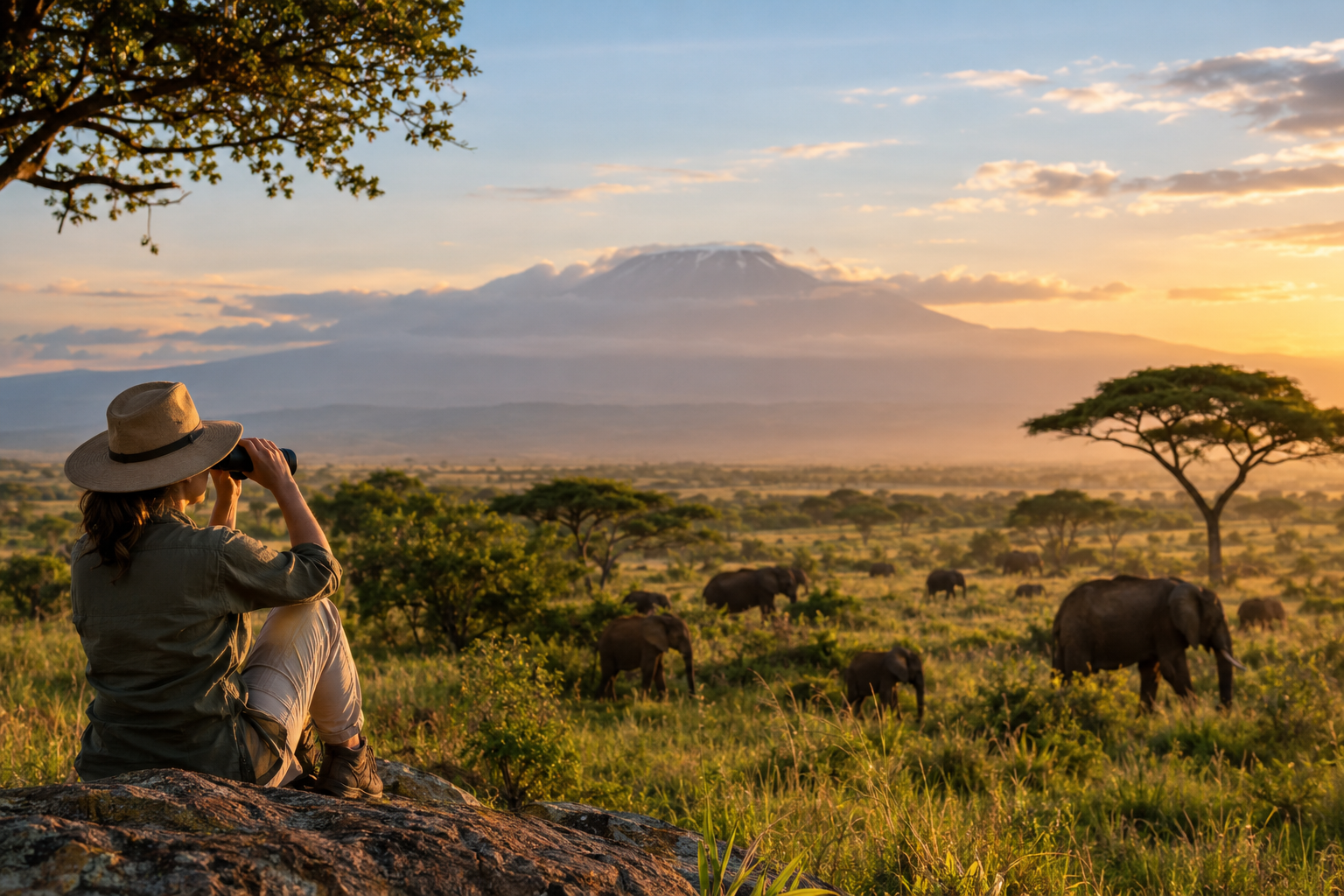
You could explore the landscapes around Amboseli, with views toward Mount Kilimanjaro, or visit Tsavo, one of Kenya's largest protected areas. Samburu also offers a very different landscape and wildlife experience in the north.
You can also combine a safari with cultural experiences or time on the coast.
- Wildlife viewing in the Maasai Mara
- Elephant experiences around Amboseli
- Exploring the vast landscapes of Tsavo
- Discovering northern Kenya around Samburu
- Cultural experiences with local communities
- Relaxing on the beaches of Diani
- Exploring the historic atmosphere of Lamu
This is why your travel dates don't have to be determined entirely by the migration.
How to Choose the Right Time for Your Safari
Choosing your travel dates becomes much easier once you know what matters most to you.
- Choose June to October if you want generally dry conditions, easier wildlife viewing and the possibility of seeing parts of the Great Migration in the Maasai Mara.
- Consider January and February if you prefer generally dry conditions and want opportunities to see young wildlife while avoiding some of the peak-season crowds.
- Consider November and December if you like greener landscapes, fewer visitors and birdwatching, and you're comfortable with occasional rain.
- Consider March to May if you're looking for potentially lower-season rates, fewer visitors and lush landscapes, and you don't mind wetter conditions.
There isn't a single "best" time to visit Kenya.
There's the best time for the experience you want.
Ready to Plan Your Kenya Safari?
Once you've decided what you'd like to see, the next step is choosing the right destination, itinerary and travel dates.
Whether you're dreaming of the Maasai Mara during the migration, an elephant-focused safari in Amboseli, or a safari combined with time on the Kenyan coast, your itinerary should be built around the experience you want—not simply around a calendar.
Explore our safari experiences or contact our team to start planning your trip to Kenya.
Your safari should be more than a checklist of destinations. It should be a journey that fits the way you want to experience Kenya.
Frequently Asked Questions
What is the best month to visit Kenya for a safari?
There isn't one universally best month. June to October is popular for generally dry conditions and wildlife viewing, while January and February can also offer good safari conditions. November and December can appeal to travellers looking for greener landscapes and fewer visitors.
When is the Great Migration in Kenya?
Large numbers of wildebeest commonly reach the Maasai Mara from around July, with significant activity often continuing through September and sometimes beyond. However, migration timing varies from year to year because the animals respond to rainfall and grazing conditions.
Can I see the Mara River crossing?
You can visit during the period when river crossings commonly occur, but a crossing can never be guaranteed on a particular day. The timing is determined by the natural movement of the herds.
Is Kenya worth visiting during the rainy season?
Yes. The rainy periods can bring greener landscapes, dramatic skies, fewer visitors and potentially better value. The trade-off is that some roads can become difficult and weather conditions are less predictable.
How many days do I need for a Kenya safari?
It depends on the destinations you want to visit. A short safari can focus on one destination such as the Maasai Mara, while a longer itinerary can combine several parks with cultural or coastal experiences.
Can I combine a Kenya safari with a beach holiday?
Yes. A safari can be combined with time on Kenya's Indian Ocean coast, including destinations such as Diani or Lamu. This can be a good option if you want to balance wildlife viewing with time to relax.
Ready to experience Kenya? Explore our travel experiences and start planning a safari around the season, destinations and experiences that matter most to you.


